Field notes
Notes on building AI agents.
Featured
All posts
AI phone agents · Oct 19, 2026
AI phone agents for intake: call logs, webhooks, and human review
Plan an AI phone intake workflow with call logs, webhooks, and clear human handoffs. See what V12 Labs' VocalDesk source demonstrates and what to test.

AI outbound sales automation · Aug 20, 2026
How We Built an AI Outbound Sales Development Engine With ChatGPT Scheduled Tasks
V12 Labs runs outbound as a staged, evidence-first system: 14 scheduled tasks discover buying signals, review and enrich accounts, draft and verify outreach, enforce approval and sending limits, monitor replies, and learn every week.

graph engineering · Aug 17, 2026
Graph Engineering, Explained: Why AI Agent Systems Are Moving Beyond One Loop
Graph engineering is the emerging practice of designing how agents, tools, validators, and humans coordinate across branches, parallel work, shared state, and recovery paths. Here is what is real, what is renamed workflow orchestration, and when a graph is actually worth building.
loop engineering · Jul 18, 2026
Loop Engineering, Explained: What It Is, What's Overhyped, and Where It's Going
Loop engineering went from an unknown phrase to the AI industry's biggest buzzword in about a week. Here's what it actually means, where the backlash has a point, and where the practice goes from here.
AI workflow systems · Jul 8, 2026
Stop Botsitting AI Agents: Build AI Workflow Systems Instead
Botsitting AI agents creates hidden supervision work. Revenue teams need AI workflow systems with context, integrations, approvals, monitoring, and clear ownership.
AI Agents · Jul 4, 2026
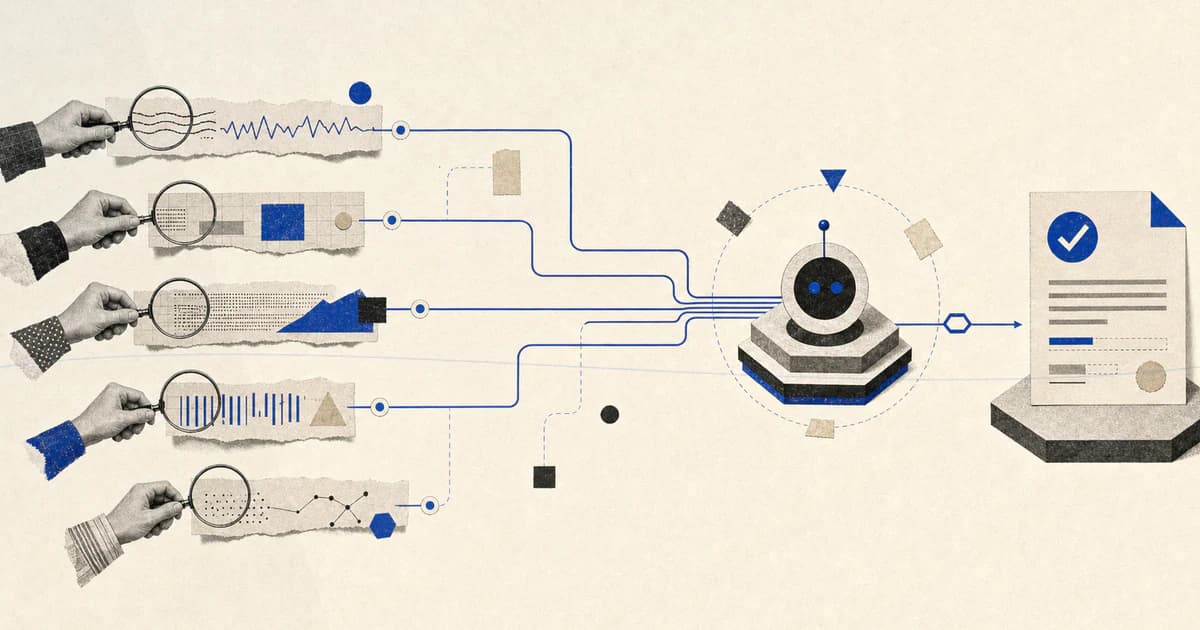
AI Search Engine APIs for Agents: Which Tool Should Your Startup Use?
AI agents need fresh web context, citations, and structured results. Here is the practical founder-facing framework for choosing between Exa, Tavily, Firecrawl, Brave, SerpAPI, Perplexity, You.com, and Vertex AI Search.
RAG · Jun 30, 2026
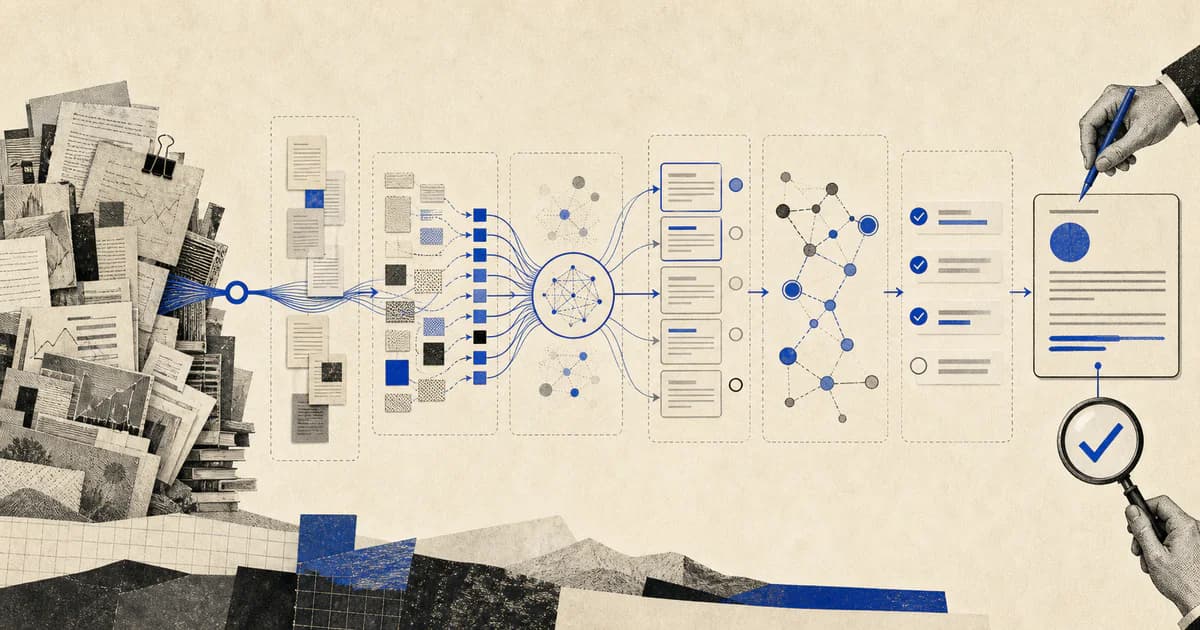
Advanced RAG Architecture: A Practical Guide to Building Reliable AI Retrieval Systems
A deep guide to advanced RAG architecture, covering ingestion, chunking, contextual retrieval, hybrid search, reranking, query routing, GraphRAG, agentic RAG, evaluation, and production guardrails.
AI agents · Jun 18, 2026
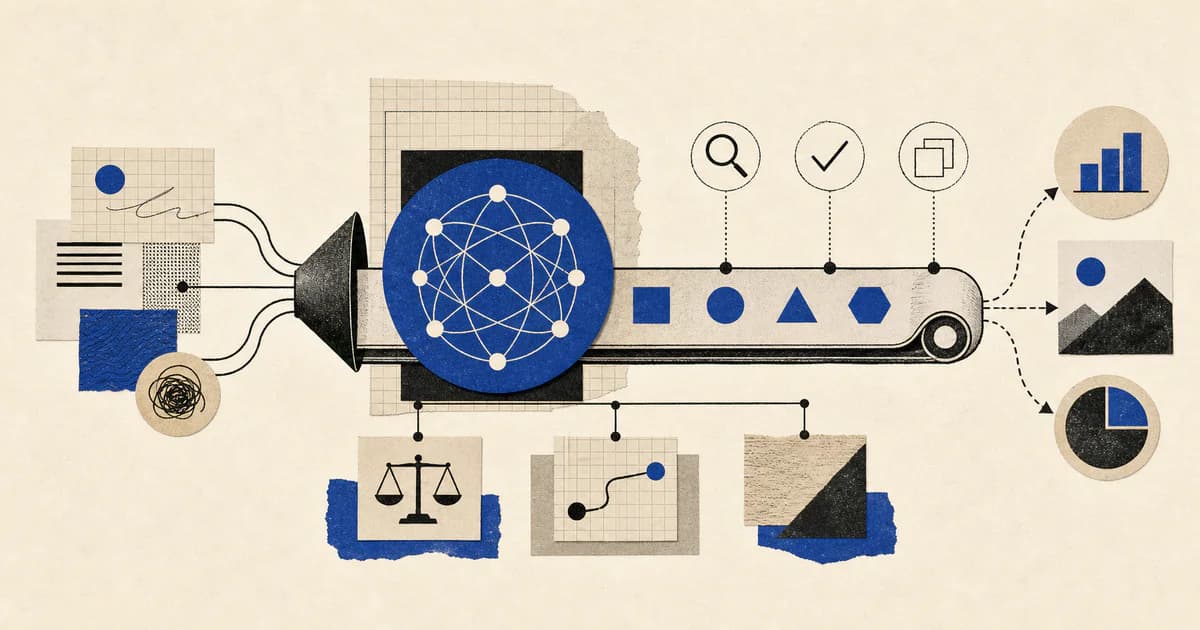
What Is AI Agent Workflow Examples? A Practical Guide
A practical guide to ai agent workflow examples, including workflow fit, architecture, review points, and implementation tradeoffs.
AI agents · Jun 17, 2026
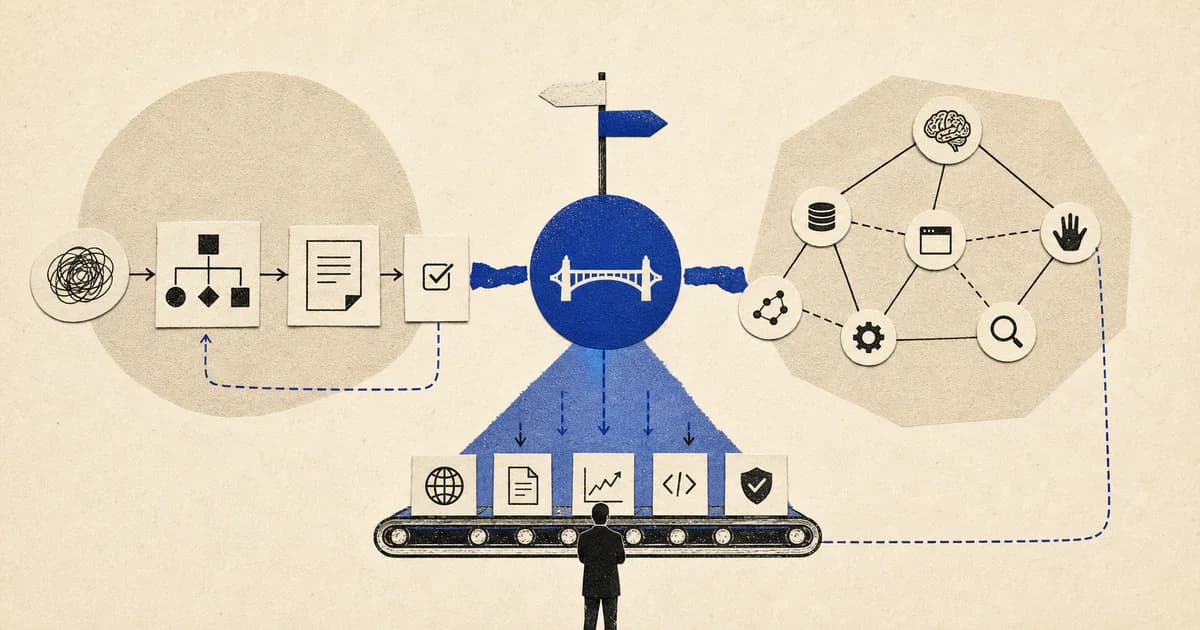
OpenAI Agents SDK vs LangGraph: Which Should You Use for Production AI Workflows?
Compare OpenAI Agents SDK and LangGraph for production AI agent workflows, including orchestration, state, human review, browser automation, and when to use both.
AI agents · Jun 16, 2026
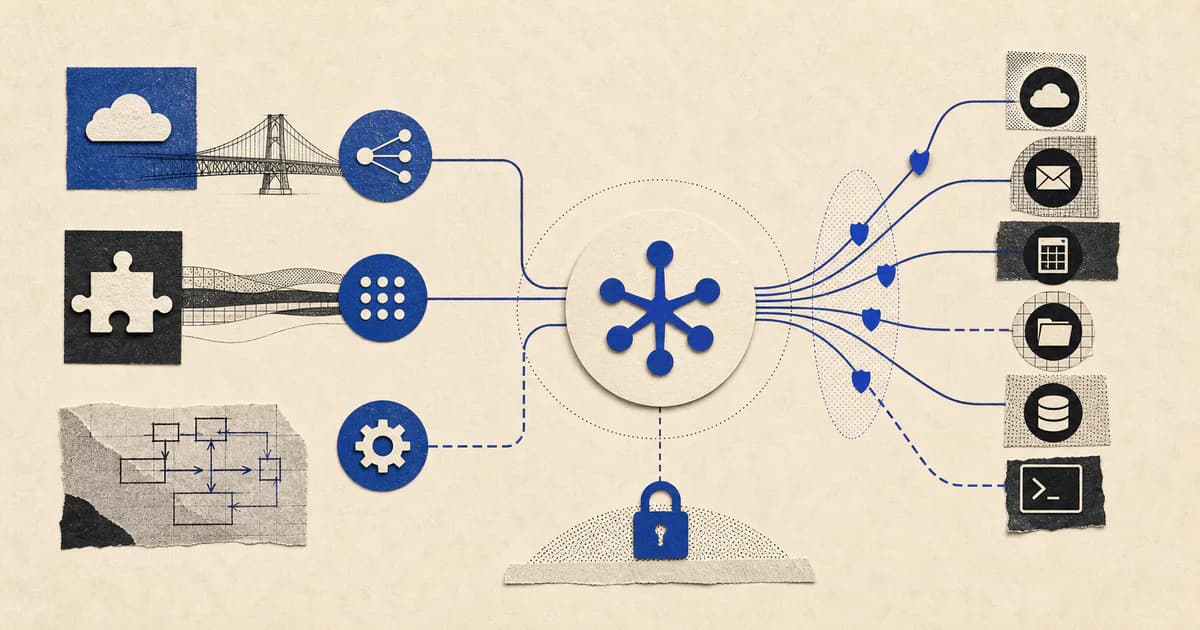
Composio vs. Arcade for AI Agent Tool Authentication: Practical Comparison
Compare Composio, Arcade, and custom approaches for AI agent tool authentication, including OAuth, permissions, security controls, workflow fit, and production architecture.

Stagehand · Jun 15, 2026
How to Choose Browser Automation AI Agents Stagehand vs Playwright
Compare Stagehand and Playwright for browser-based AI agent workflows, including when to choose each and how to use them safely.
AI support backlog prioritization · Jun 10, 2026
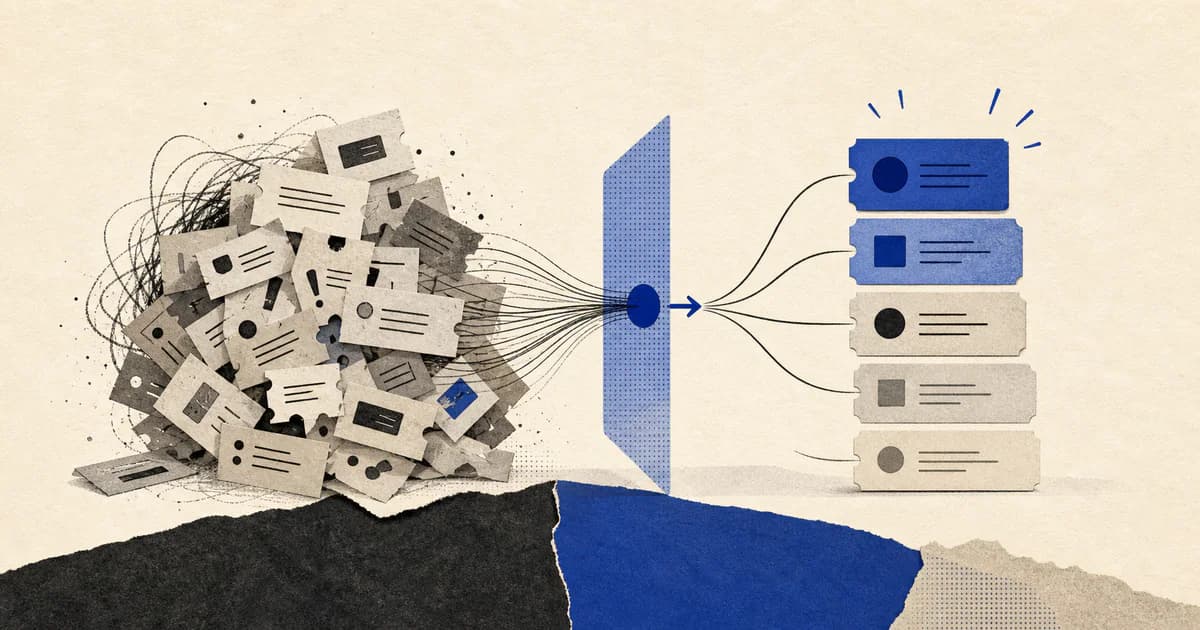
AI Support Backlog Prioritization: How Teams Reduce Queue Risk Without Missing VIP Tickets
AI support backlog prioritization helps support teams turn a crowded queue into a ranked workflow so urgent, high-risk, and revenue-sensitive tickets are handled first instead of getting buried.
AI deal desk automation · Jun 9, 2026
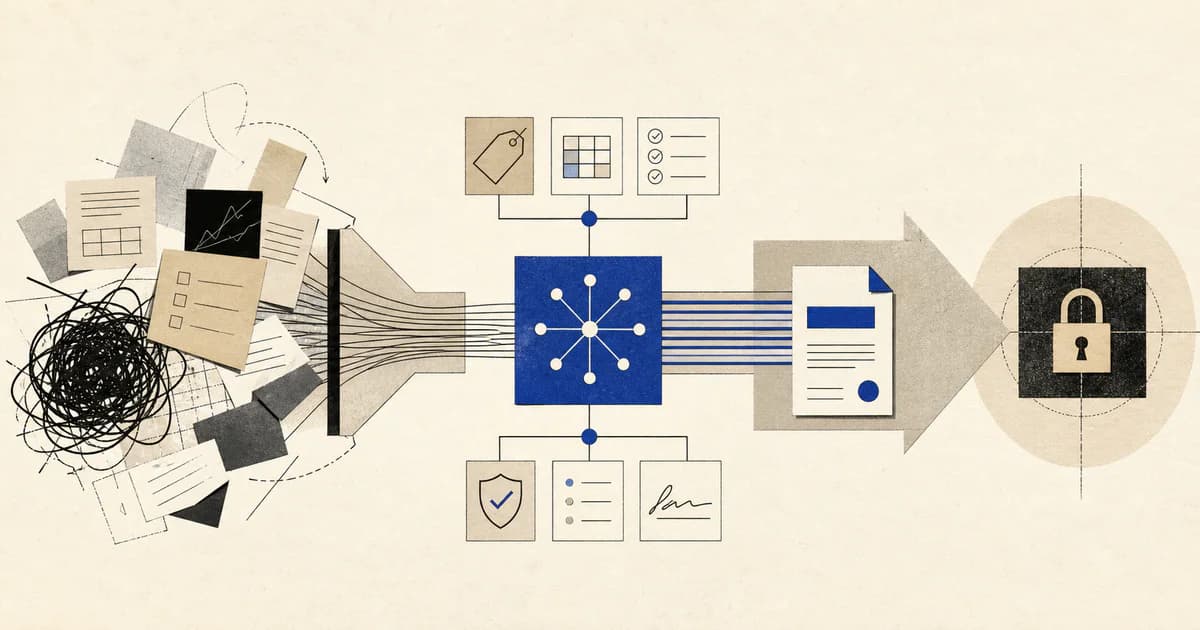
AI Deal Desk Automation: How Revenue Teams Speed Approvals Without Losing Control
AI deal desk automation helps revenue teams turn slow, manual pricing and approval workflows into structured, reviewable systems that move enterprise deals faster without weakening controls.
AI mutual action plan automation · Jun 8, 2026
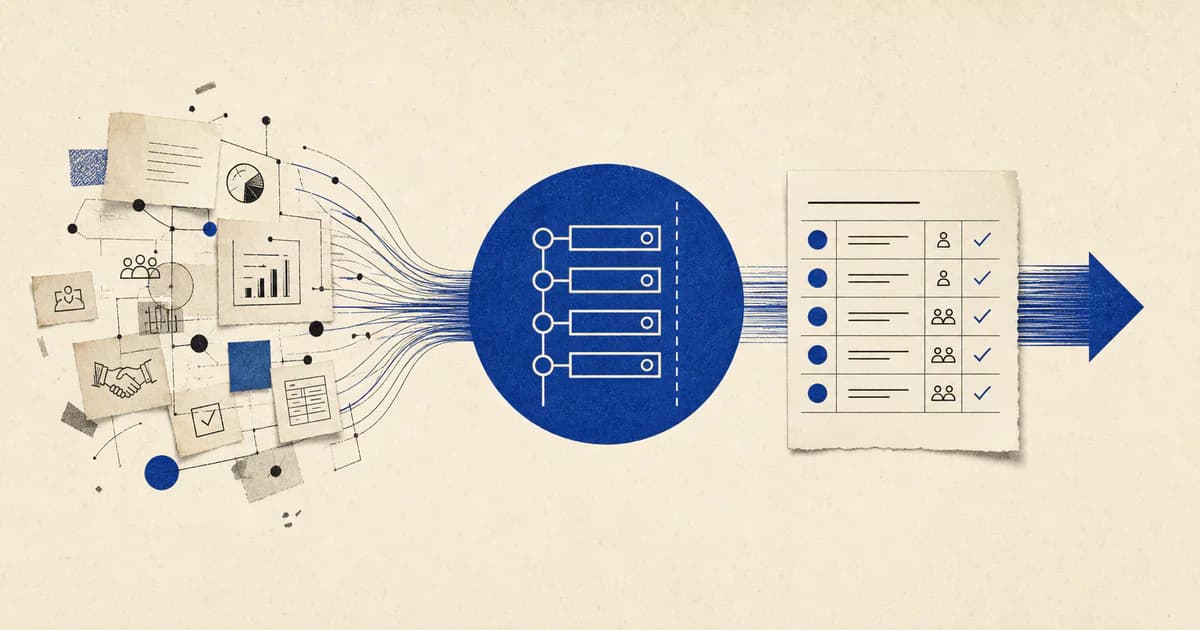
AI Mutual Action Plan Automation: How Sales Teams Keep Enterprise Deals Moving
AI mutual action plan automation helps sales teams build, update, and enforce mutual action plans from real deal activity so enterprise opportunities keep moving without relying on rep memory.
AI account planning automation · Jun 7, 2026
AI Account Planning Automation: How Customer Success Teams Prepare Renewal and Expansion Plans Faster
AI account planning automation helps customer success teams gather account context, map risks and stakeholders, and prepare clearer renewal and expansion plans without manual account archaeology.
AI upsell automation · Jun 6, 2026
AI Upsell Automation: How Customer Success Teams Detect Expansion Opportunities Earlier
AI upsell automation helps customer success teams turn product usage, stakeholder activity, support patterns, and account goals into earlier, better-timed expansion workflows.
AI support QA automation · Jun 5, 2026
AI Support QA Automation: How Support Teams Review More Tickets Without Lowering Standards
AI support QA automation helps support teams check more conversations for policy, tone, accuracy, and escalation quality so managers can find coaching issues faster and improve support consistency.
AI QBR preparation · Jun 4, 2026
AI QBR Preparation: How Customer Success Teams Build Quarterly Business Reviews Faster Without Losing the Account Story
AI QBR preparation helps customer success teams pull account context, product usage, risks, goals, and renewal signals into a structured quarterly business review without hours of manual prep.
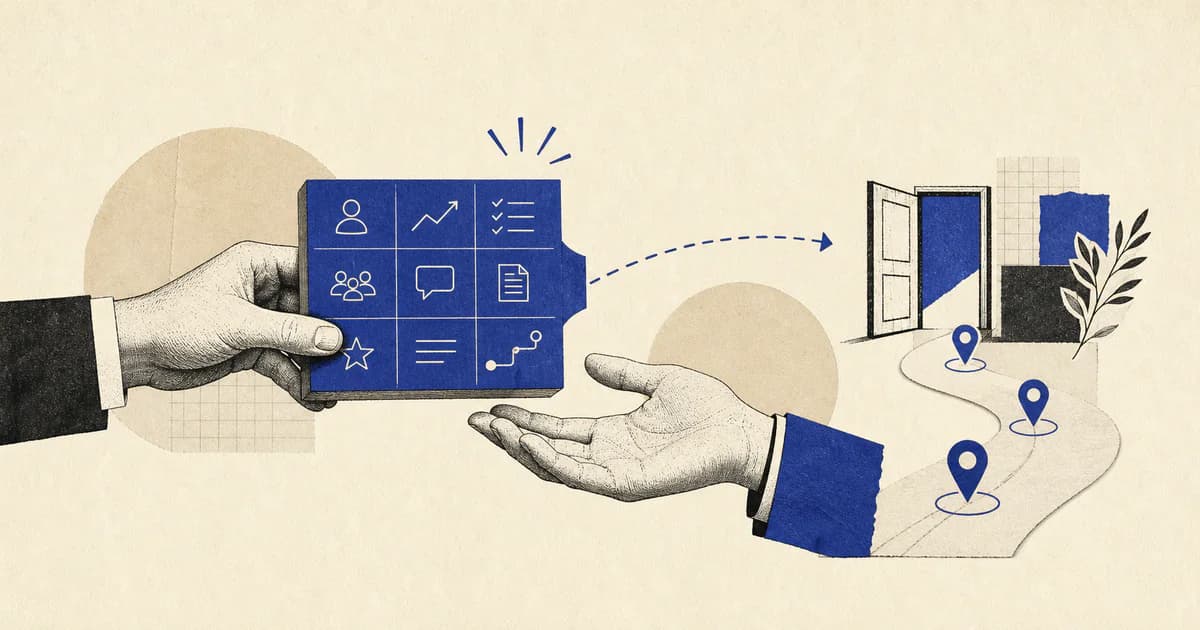
AI sales to customer success handoff automation · Jun 3, 2026
AI Sales to Customer Success Handoff Automation: How B2B Teams Stop Dropping Context After the Deal Closes
AI sales to customer success handoff automation helps B2B teams carry clean account context from close to onboarding so implementation starts faster and fewer customers stall after signature.

AI customer health scoring · Jun 2, 2026
AI Customer Health Scoring: How SaaS Teams Spot Churn Risk Early Without Trusting a Black Box
AI customer health scoring helps SaaS teams turn messy account signals into usable risk explanations, owner-ready briefs, and earlier retention action.
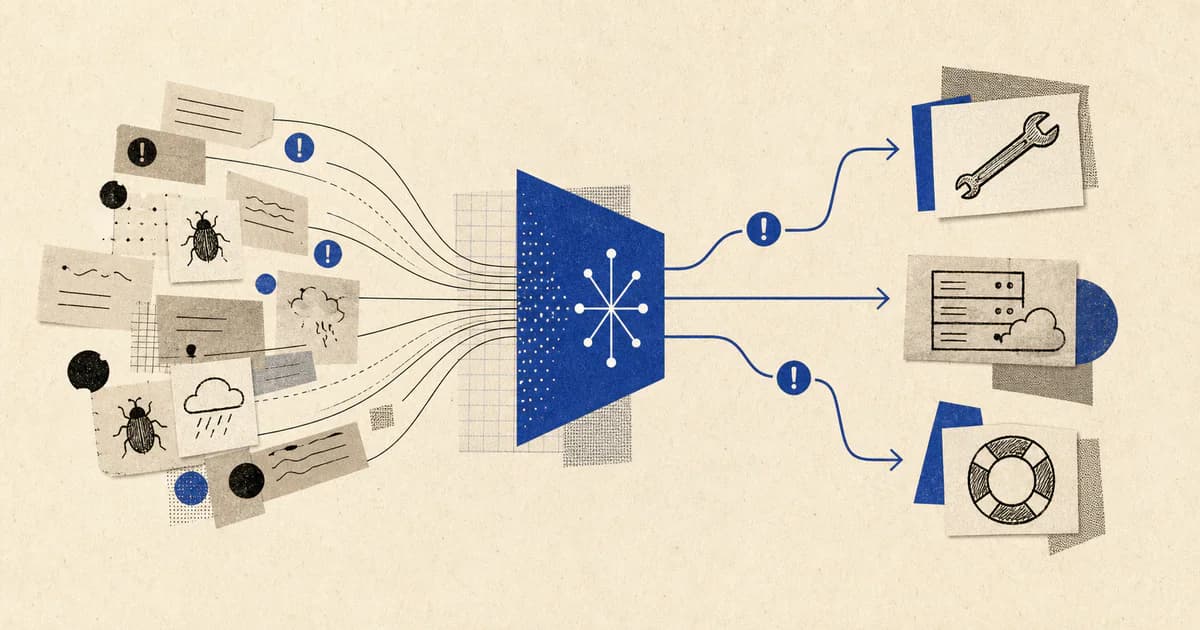
AI support escalation automation · Jun 1, 2026
AI Support Escalation Automation: How B2B Teams Move High-Risk Tickets Faster
AI support escalation automation helps B2B teams detect high-risk tickets, gather the right account context, and move bugs, outages, and renewal-risk issues to the right owners faster.
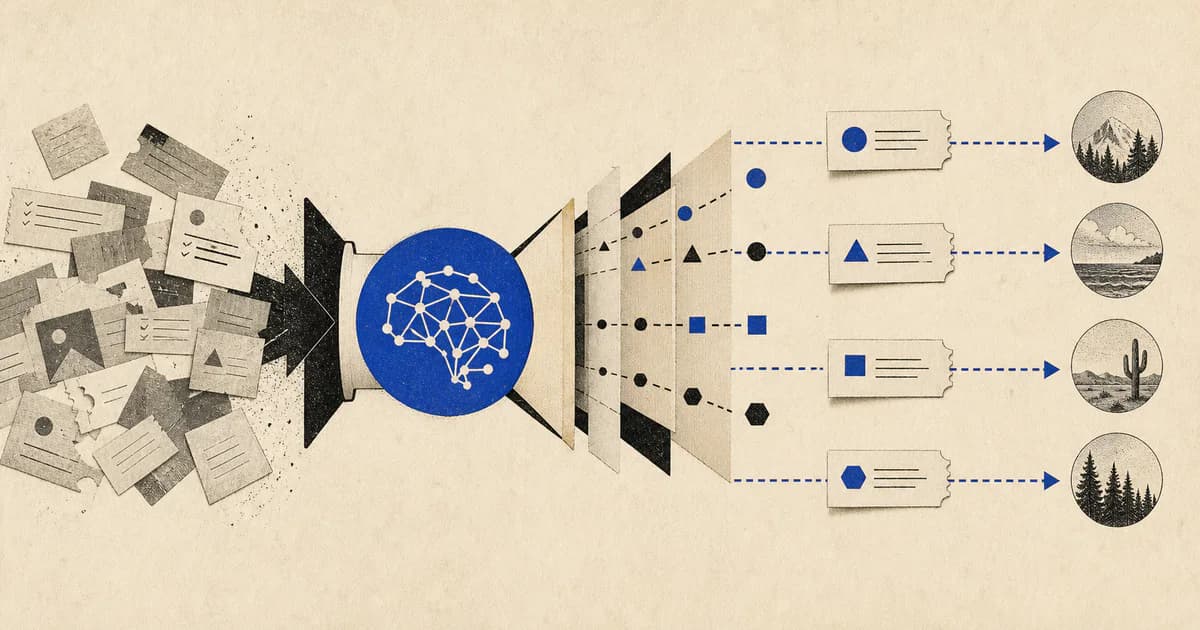
AI support ticket routing automation · May 31, 2026
AI Support Ticket Routing Automation: How Teams Send Every Request to the Right Queue Faster
AI support ticket routing automation helps support teams classify requests, enrich account context, and route each ticket to the right owner before backlog and response-time risk compounds.
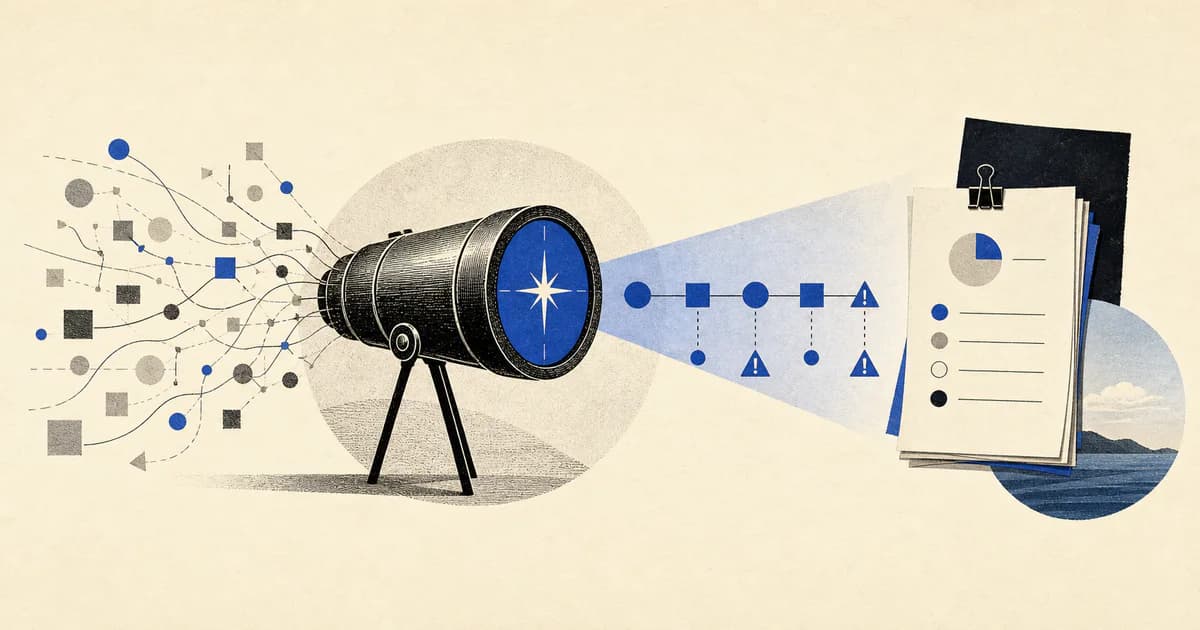
AI sales forecasting automation · May 30, 2026
AI Sales Forecasting Automation: How B2B Teams Catch Pipeline Risk Before Forecast Calls
AI sales forecasting automation helps B2B teams spot deal slippage earlier, prepare forecast reviews faster, and turn scattered pipeline signals into a repeatable operating workflow.

AI renewal automation · May 29, 2026
AI Renewal Automation: How SaaS Teams Reduce Churn Risk Before Renewal Calls Go Sideways
AI renewal automation helps SaaS teams detect churn risk early, prepare account owners faster, and turn scattered customer signals into a repeatable retention workflow.
AI RFP automation · May 28, 2026
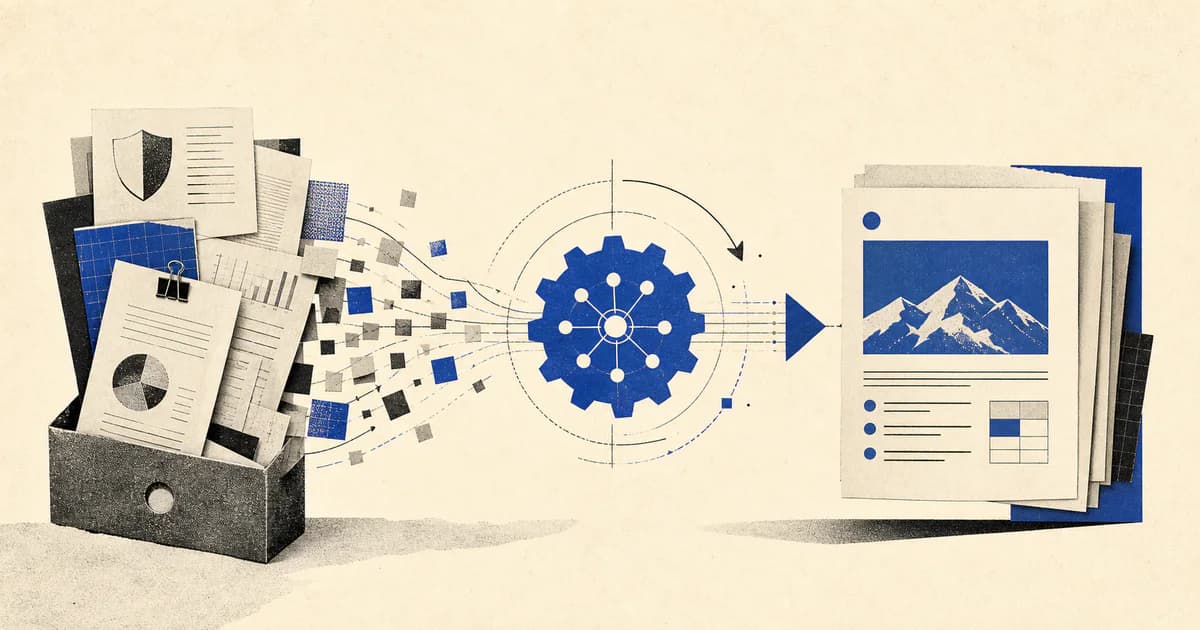
AI RFP Automation: How B2B Teams Cut Response Time Without Shipping Generic Proposals
AI RFP automation helps B2B teams turn past proposals, security answers, and product documentation into faster, more accurate responses without turning enterprise deals into copy-paste theater.
AI CRM automation · May 27, 2026
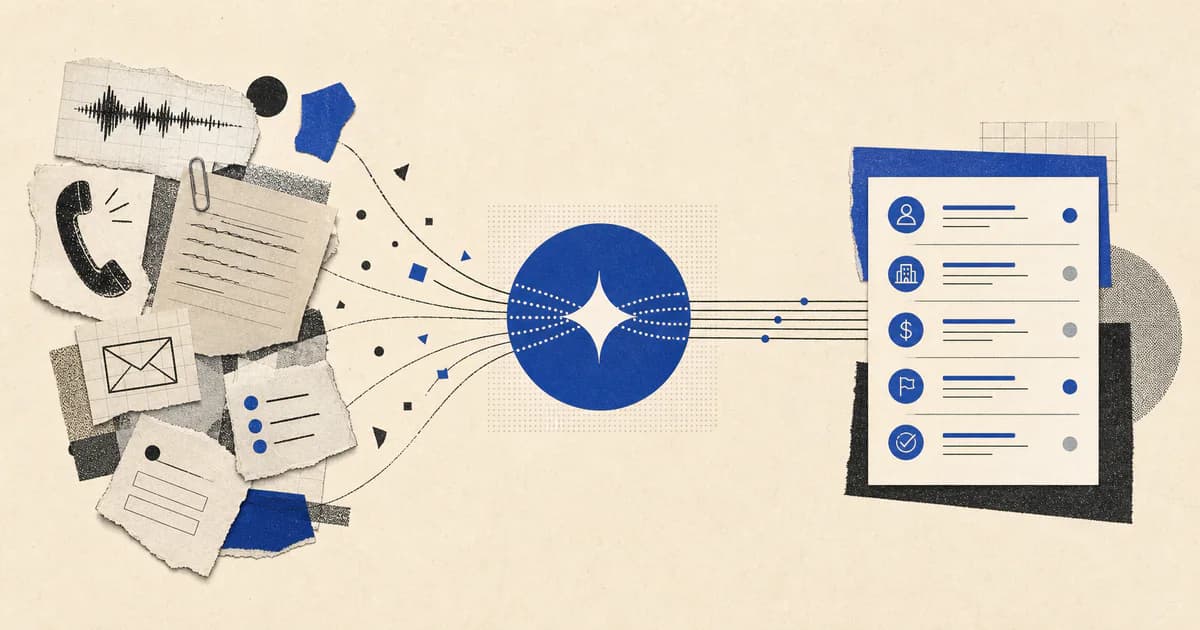
AI CRM Automation: How B2B Teams Keep Pipeline Data Clean Without More Admin Work
AI CRM automation helps B2B teams turn call notes, emails, forms, and handoff activity into clean CRM updates, faster follow-up, and more reliable pipeline visibility.
AI Account Research Automation · May 26, 2026
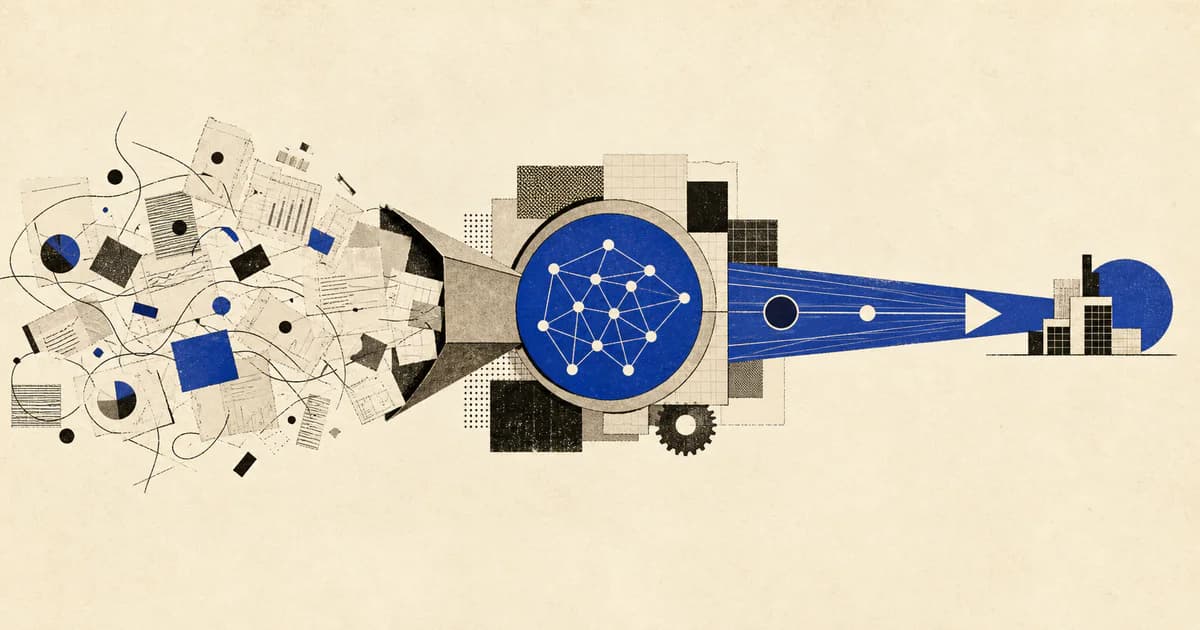
AI Account Research Automation: How B2B Teams Turn Manual Prospecting Into Pipeline Context
AI account research automation helps B2B teams gather firmographic, intent, and account context faster so reps spend less time stitching data together and more time moving deals forward.
Letta · May 25, 2026
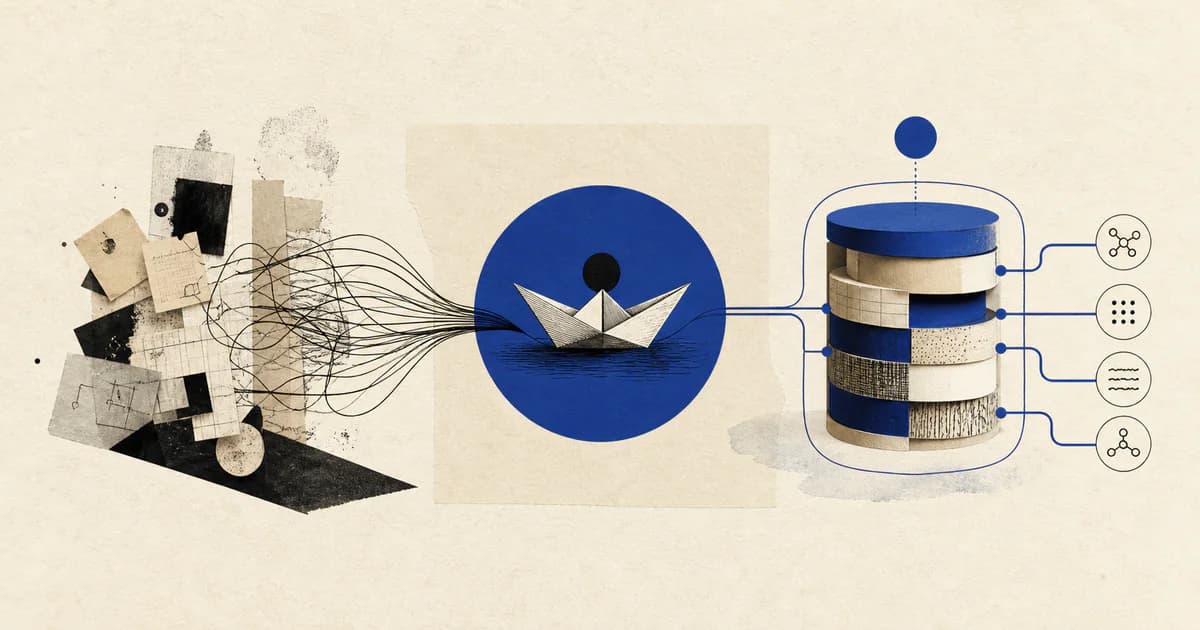
Letta for AI Agents: When Stateful Memory Beats Another RAG Layer
Letta is one of the more interesting products for AI agents because it treats memory as a first-class system, not a prompt hack. For teams building long-running agent workflows, that distinction matters.
AI sales automation · May 25, 2026
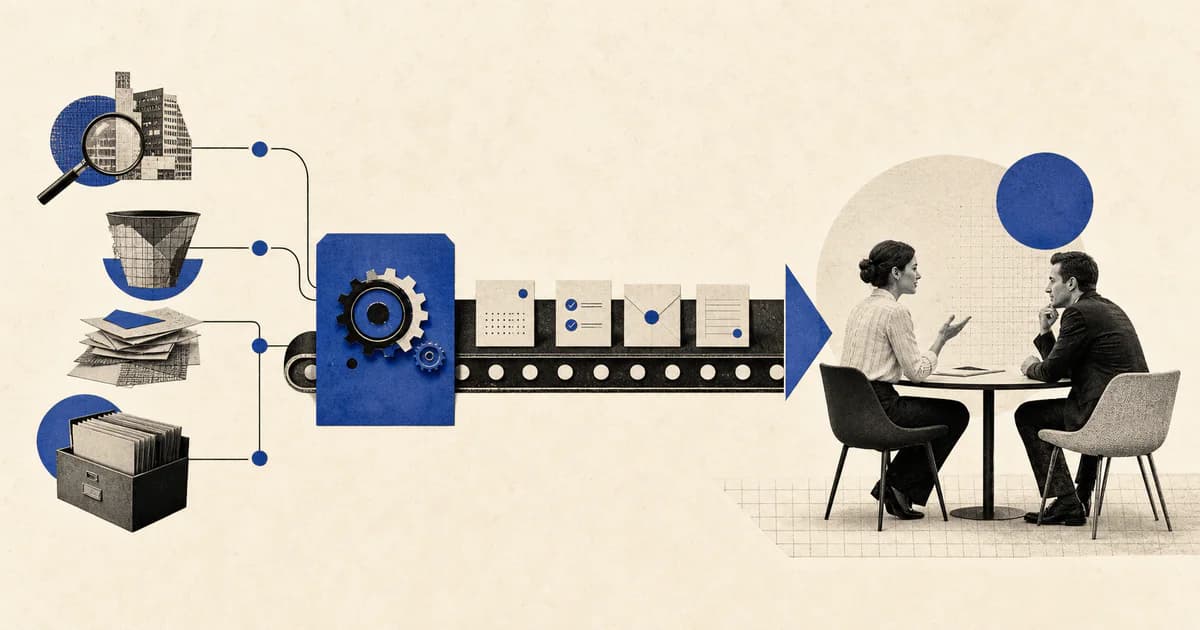
AI Sales Automation: What B2B Teams Should Automate First
Most B2B teams do not need a fully autonomous AI SDR. They need AI sales automation that handles research, qualification, follow-up, and CRM upkeep without breaking the human parts of selling.
Mastra · May 24, 2026
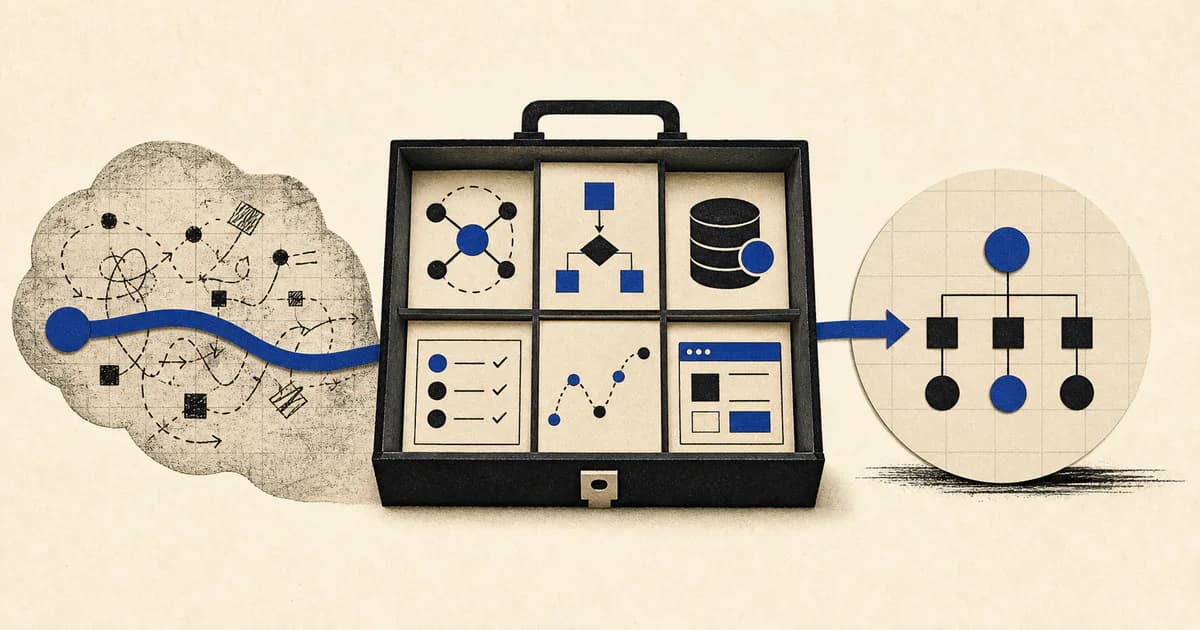
Mastra for AI Agents: When TypeScript Teams Should Use It
Mastra is one of the more interesting AI agent products for TypeScript teams because it bundles agents, workflows, memory, evals, tracing, and a local studio into one stack. The real question is not whether it is powerful. The question is when it is the right abstraction.
AI Workflow Systems · May 23, 2026
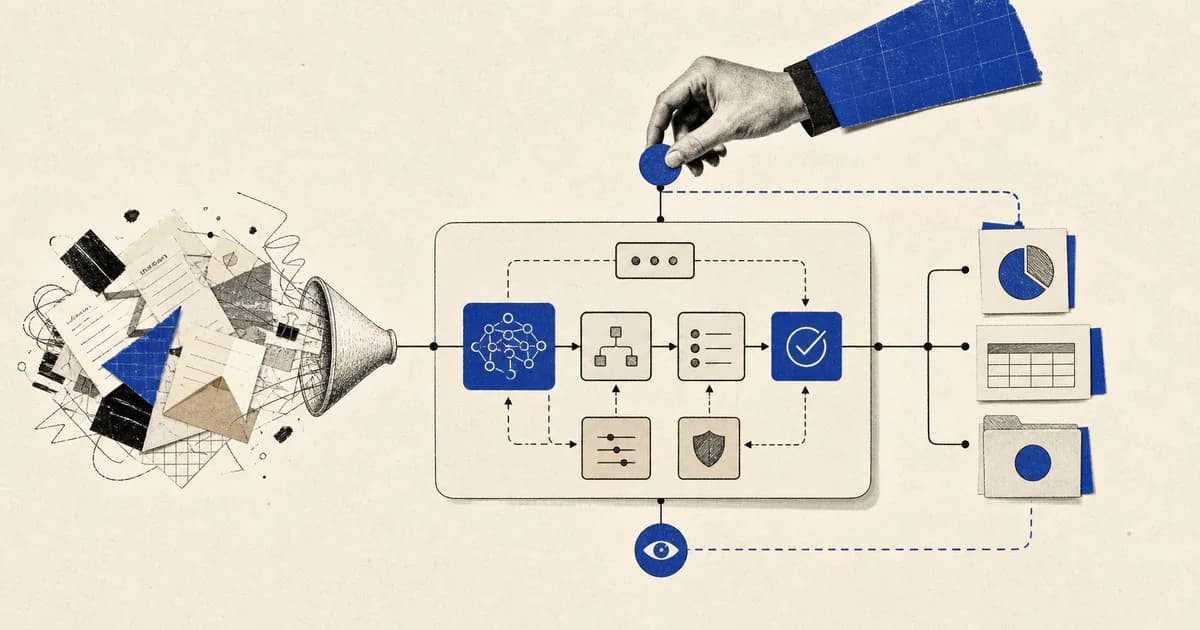
What Is an AI Workflow System? Architecture, Use Cases, and Examples
An AI workflow system is not just a chatbot or one model call. It is a production system that reads messy inputs, makes bounded decisions, updates business tools, and keeps humans in control where they should be.
Arcade · May 22, 2026
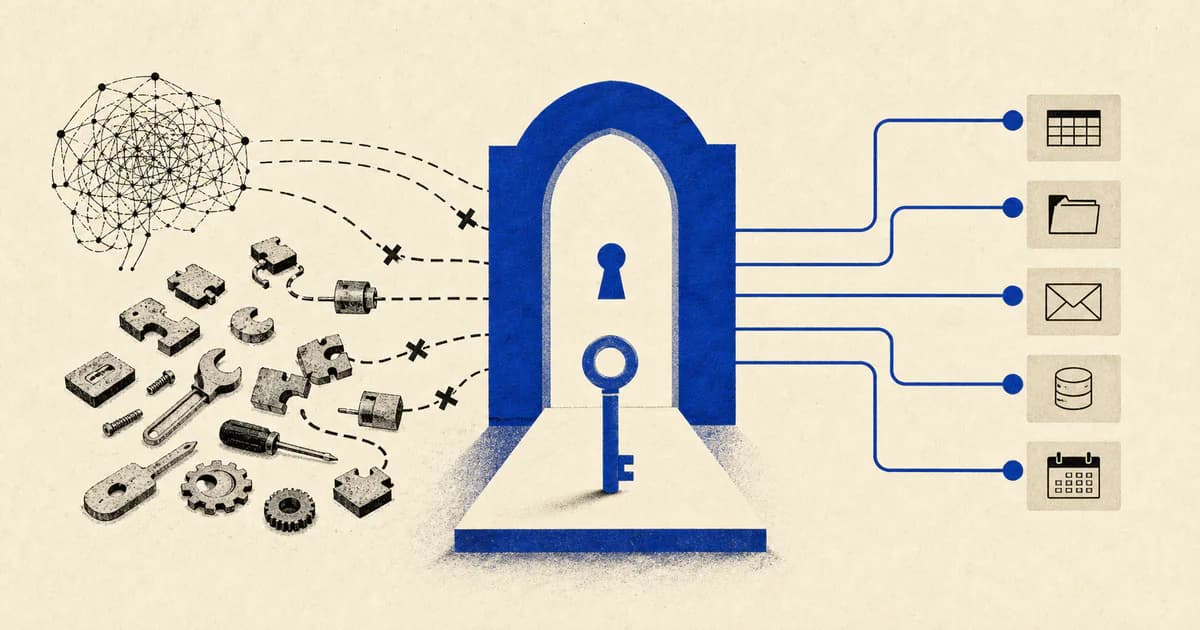
Arcade for AI Agents: The Missing OAuth Layer for Production Tool Calling
Most AI agents fail at the tool layer, not the model layer. Arcade is an interesting product because it solves the ugly part of production agents: authenticated tool calling on behalf of real users.
Revenue Operations · May 21, 2026
AI Revenue Operations Automation: What Growing B2B Teams Should Automate First
Most B2B teams do not need an autonomous AI CRO. They need AI workflow systems that qualify inbound, clean CRM data, surface pipeline risk, and prepare follow-up work before revenue leaks.
AI customer success · May 20, 2026
AI Customer Success Automation: What To Automate First and What To Leave Human
Most customer success teams do not need a fully autonomous AI CSM. They need production AI systems that triage risk, prepare follow-ups, and move renewals and onboarding work faster.
Mem0 · May 19, 2026
Mem0 for AI Agents: When a Memory Layer Actually Makes Sense
Most AI agents do not fail because the model is weak. They fail because they forget. Here's where Mem0 fits, and when a dedicated memory layer improves production agents.
Browserbase · May 18, 2026
Browserbase Stagehand: A Smarter Way to Build Browser AI Agents
Most AI agents break at the browser layer. Here's why Browserbase Stagehand is one of the more interesting products for building resilient web agents in production.
AI Workflow Systems · May 16, 2026
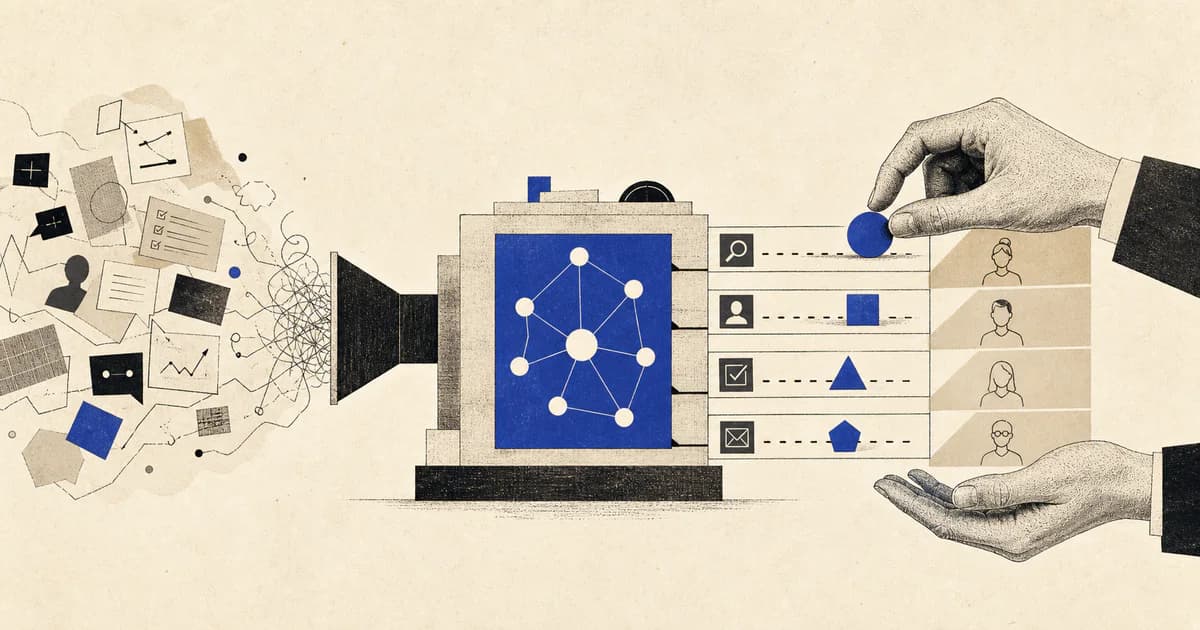
AI Customer Onboarding Systems: How SaaS Teams Reduce Time-to-Value Without Hiring More CSMs
Most SaaS teams do not need an AI chatbot inside onboarding. They need an AI customer onboarding system that collects context, identifies blockers, routes tasks, drafts follow-ups, and keeps humans in control.
AI Workflow Systems · May 15, 2026
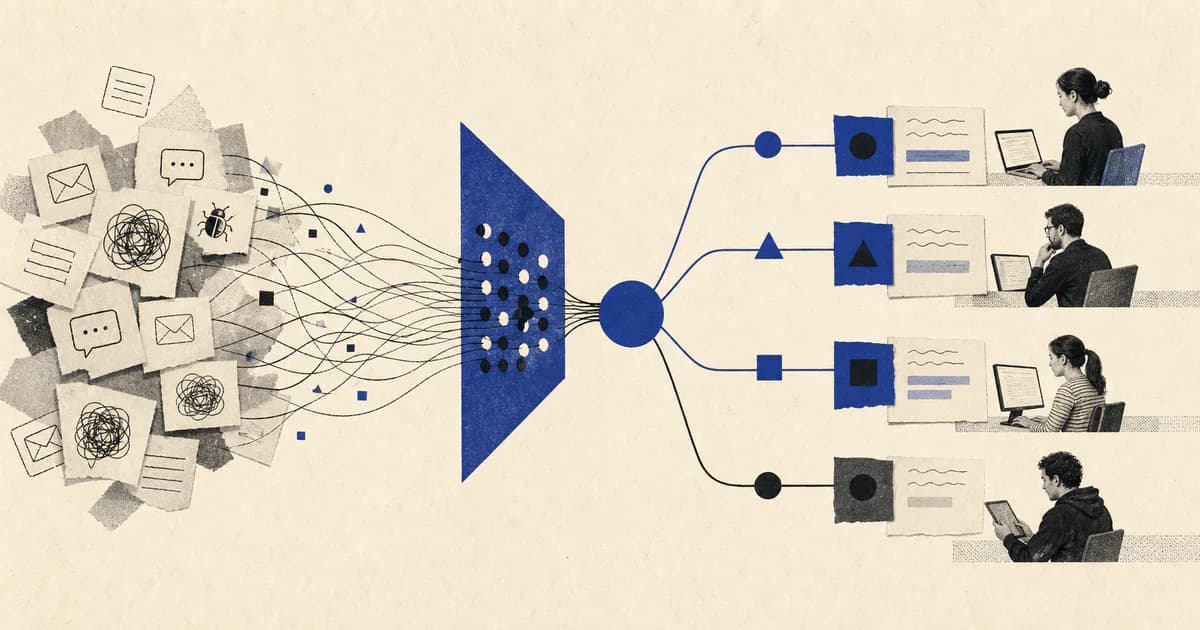
AI Support Triage Systems: How Growing Teams Reduce Response Time Without Hiring More Reps
Most support teams do not need a chatbot glued onto their inbox. They need an AI support triage system that classifies requests, routes urgent issues, drafts responses, and keeps humans in control.
AI Workflow Systems · May 14, 2026
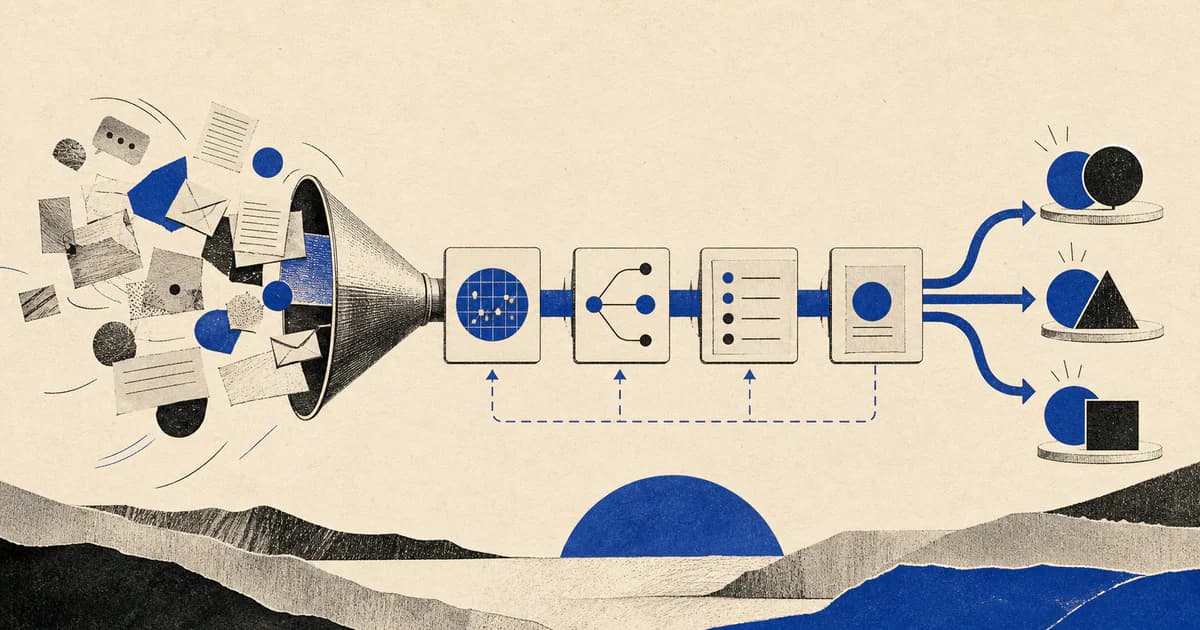
AI Lead Qualification Systems: How Startups Stop Losing Inbound Revenue
Most startups do not need a generic AI SDR. They need a production AI lead qualification system that scores, routes, updates the CRM, and follows up before inbound demand goes cold.
Source Code · Apr 26, 2026
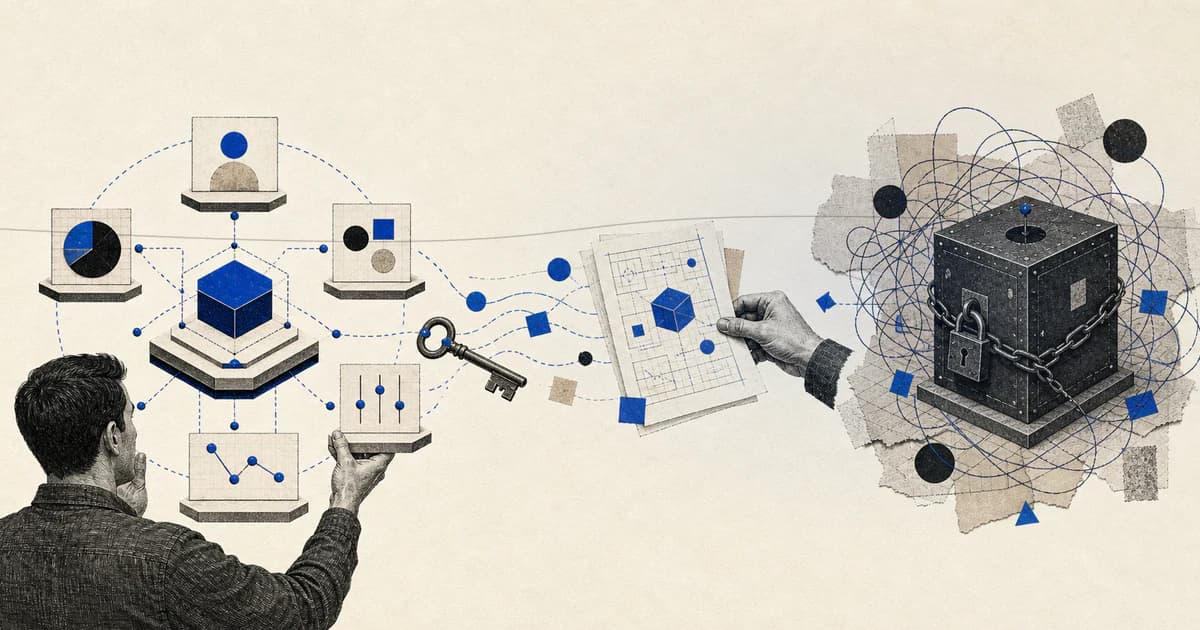
Why You Must Own Your Source Code From Day One (Not Just Your Product)
Too many founders sign contracts where the agency retains IP or locks code in proprietary systems. By the time you realize what happened, you're trapped. Here's what full source code ownership actually means, the legal clauses that protect you, and why V12 Labs hands over code from Day 1.
AI Agents · Apr 24, 2026
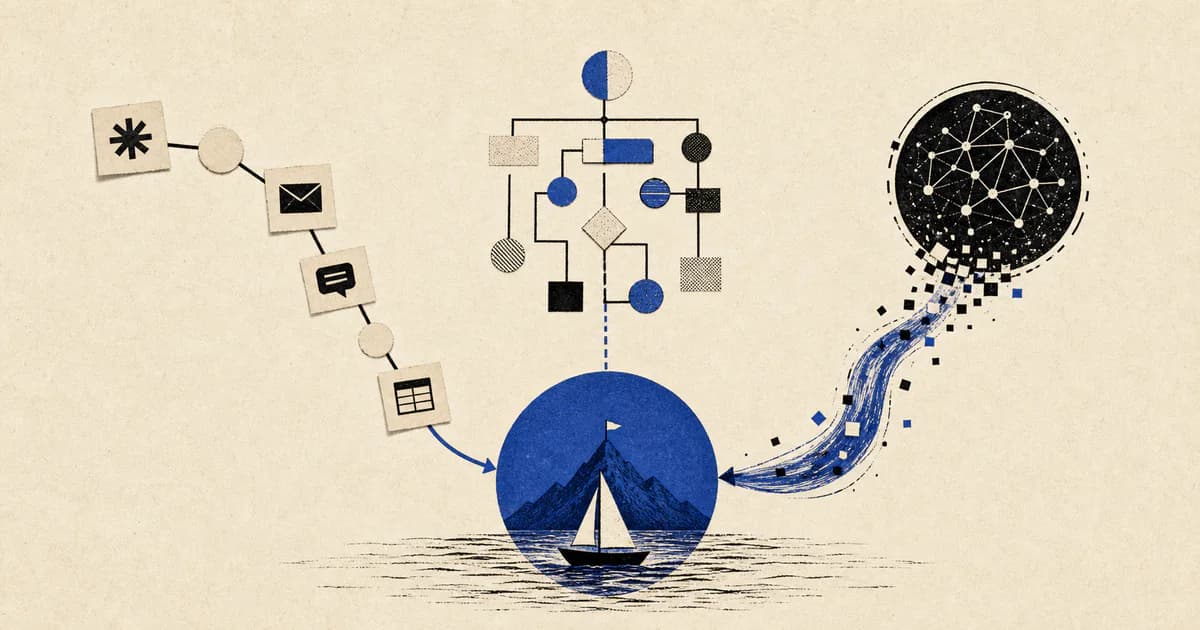
AI Agents vs. Zapier vs. Make: When to Use Each Tool for Your Startup
Zapier, Make, and custom AI agents all automate workflows, but they solve fundamentally different problems. Using the wrong tool wastes months and thousands of dollars. Here's the honest decision matrix every founder needs.
Build in Public · Apr 23, 2026
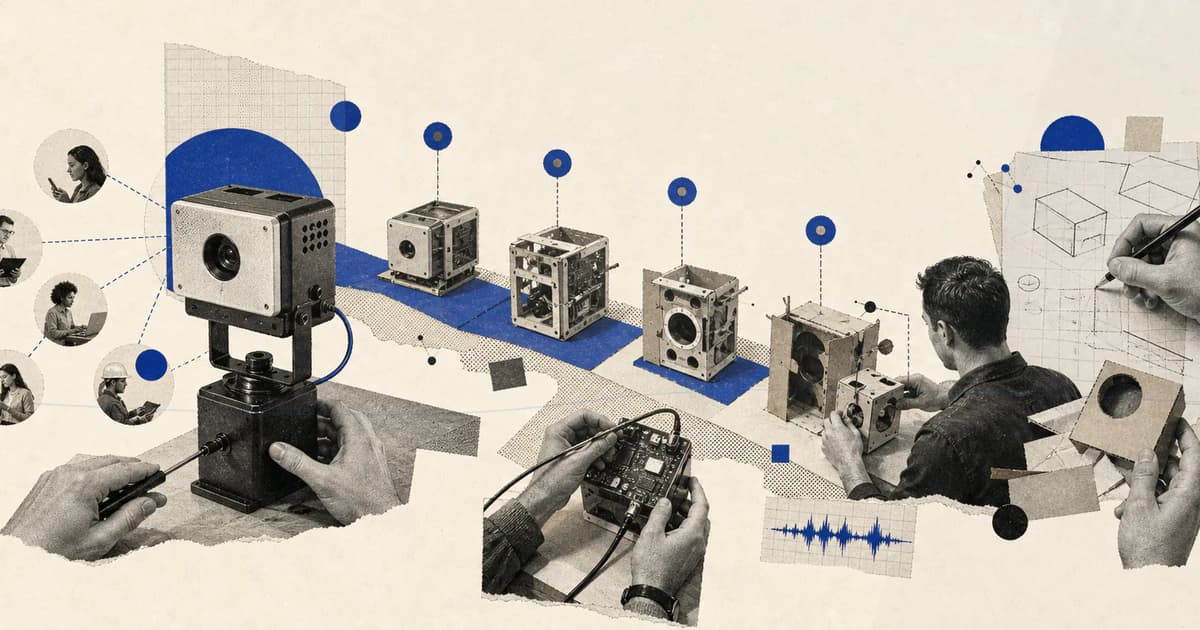
How We Built StoryFlow: AI-Powered Narrative Tools for Content Creators
StoryFlow is V12 Labs' open-source AI storytelling tool built to help content creators structure, draft, and refine narrative-driven content. Here's the full build story, the problem, the tech decisions, what the AI actually does, and what we'd do differently.
MVP Agency · Apr 19, 2026
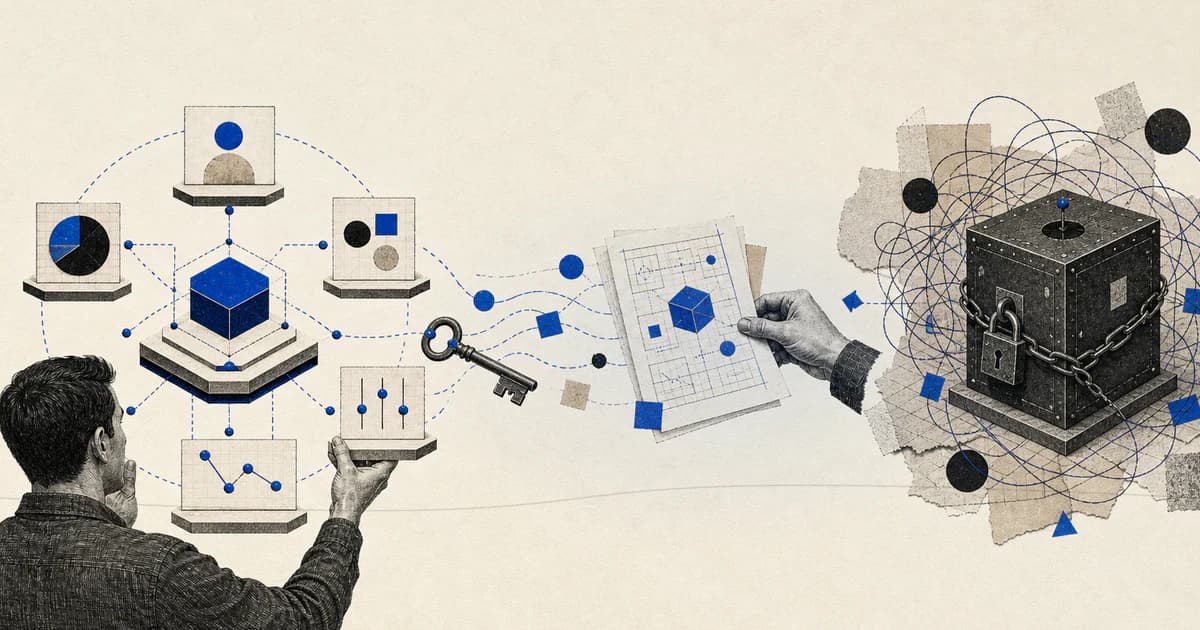
How to Choose an MVP Development Agency Without Getting Burned
Most founders sign with the wrong agency because they're evaluating the wrong things. Here are the 8 questions every founder should ask before committing, plus the red flags that should make you walk away immediately.
AI Agents · Apr 18, 2026
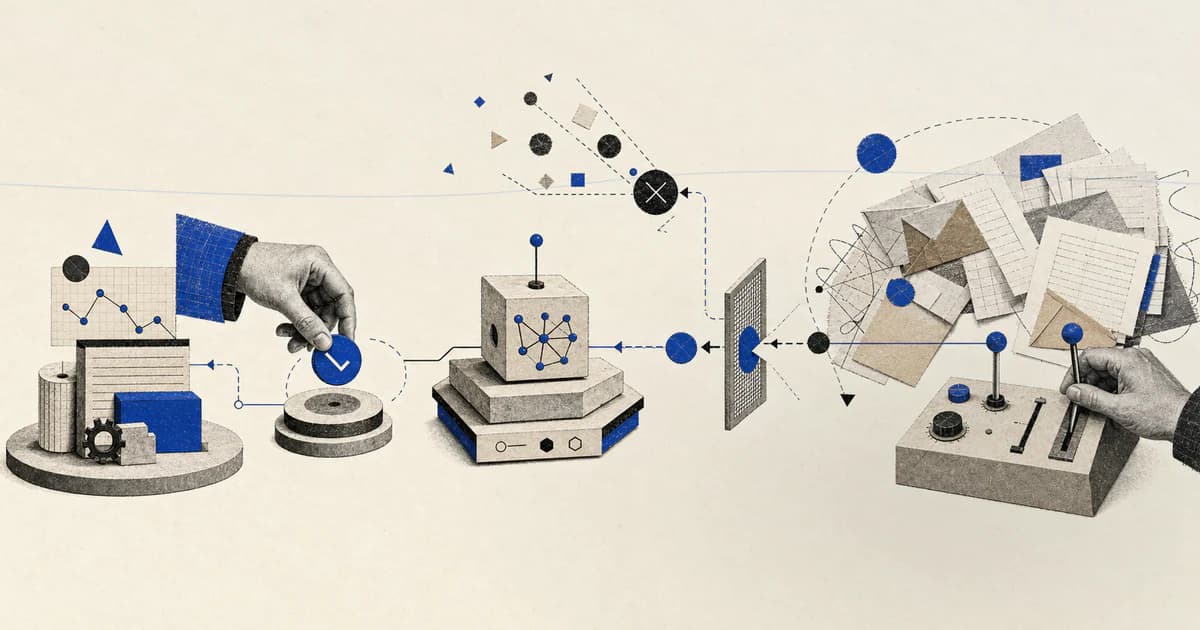
How to Turn Any Manual Business Process Into an AI Agent in 3 Weeks
Most business automation projects fail because they skip the process-mapping step and jump straight to building. Here's the 3-week playbook I use at V12 Labs to turn any manual workflow into a production AI agent.
OpenAI · Apr 17, 2026
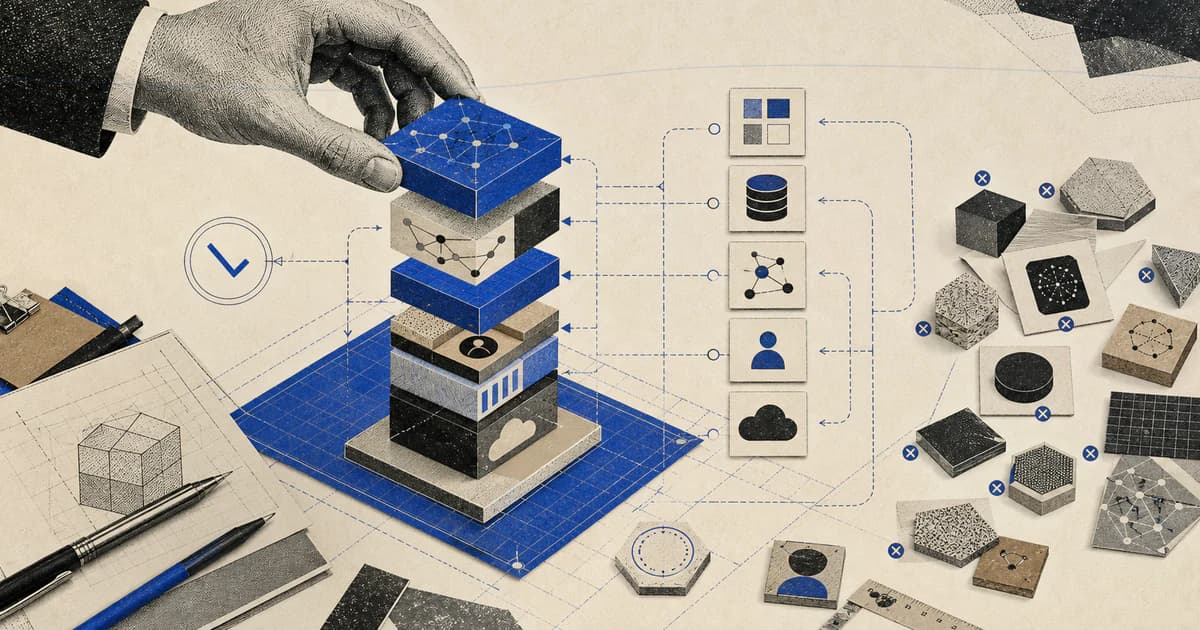
GPT vs. Claude vs. Open Source: Which AI Model Should Your Startup Build On?
The model you choose shapes your cost curve, your capability ceiling, and your lock-in risk. After building on all three at V12 Labs, here's the honest breakdown, including what we actually use and why.
AI Development · Apr 16, 2026
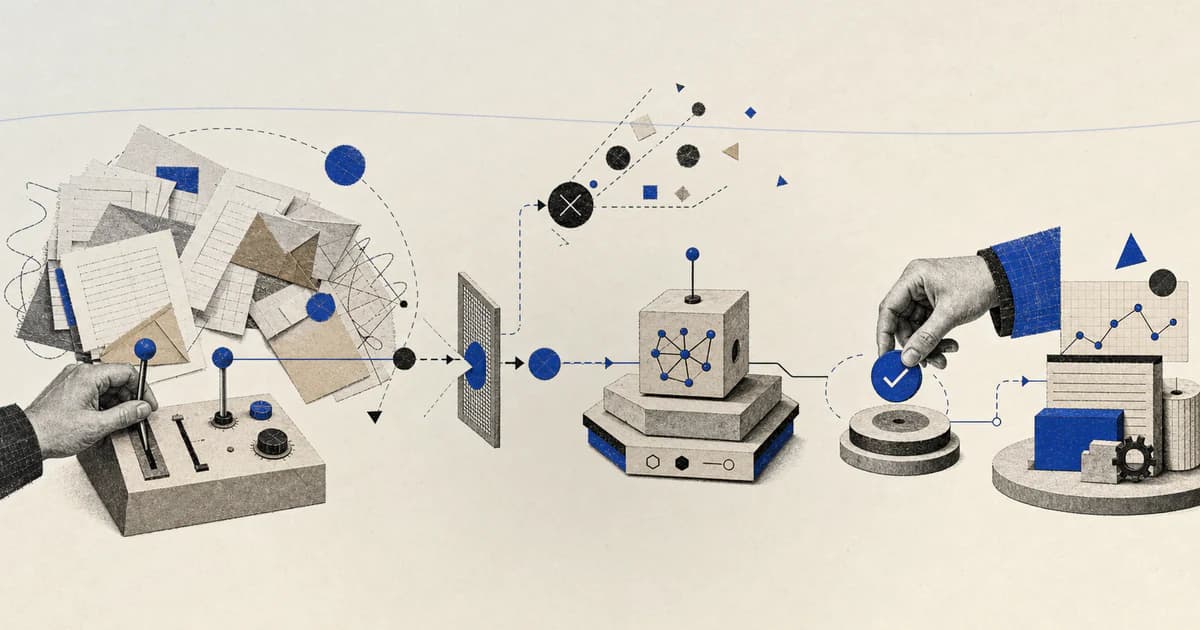
Why Most AI MVPs Fail When They Hit Production (And How to Build One That Doesn't)
Demos look great. Production is brutal. Most AI MVPs collapse the moment they face real users, real scale, and real edge cases. Here's what breaks and exactly how we build differently at V12 Labs.
MVP Development · Apr 15, 2026
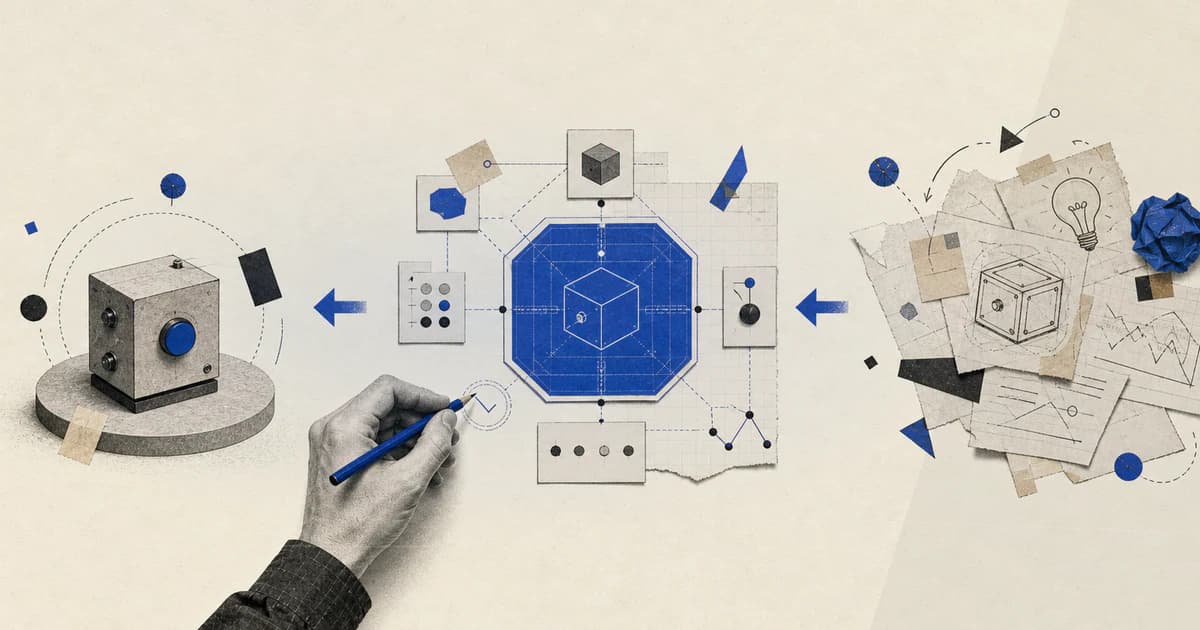
The 5 Biggest MVP Mistakes Non-Technical Founders Make (And How to Avoid Each One)
After 40+ MVP builds at V12 Labs, I've watched the same five mistakes derail non-technical founders again and again. Each one is avoidable, if you know what to look for.
AI Agents · Apr 15, 2026
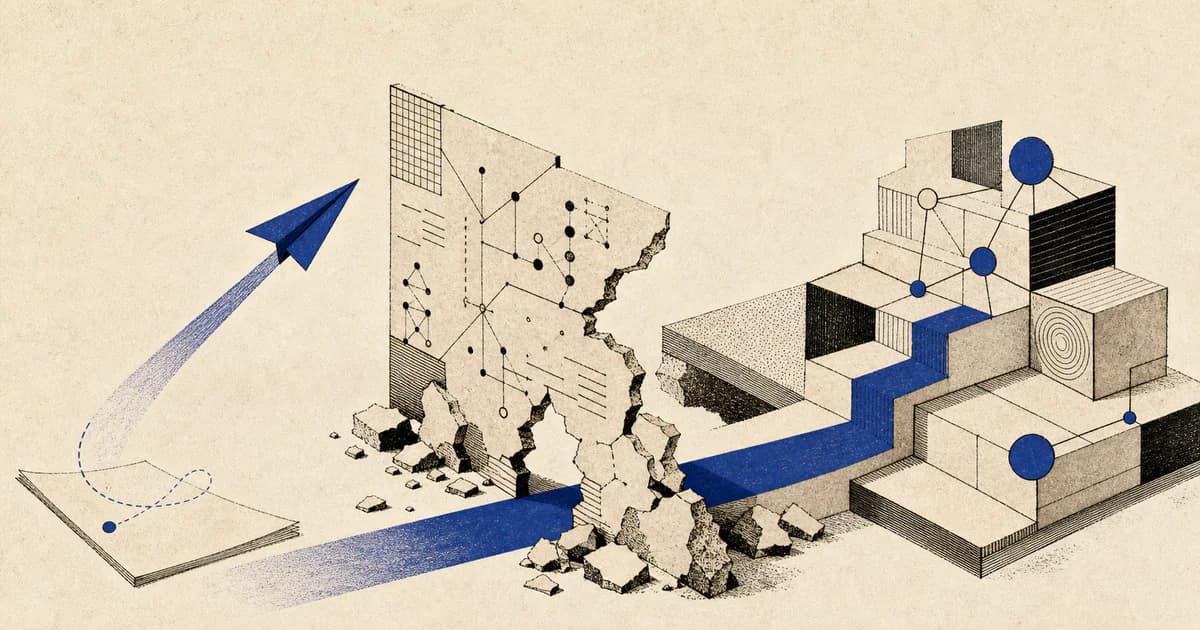
Scaling AI Agents: Reliability Lessons for Production Systems
AI agent demos can look convincing and still break under production load. Learn the architecture patterns that make agents easier to operate, debug, and scale.
AI Agents · Apr 14, 2026
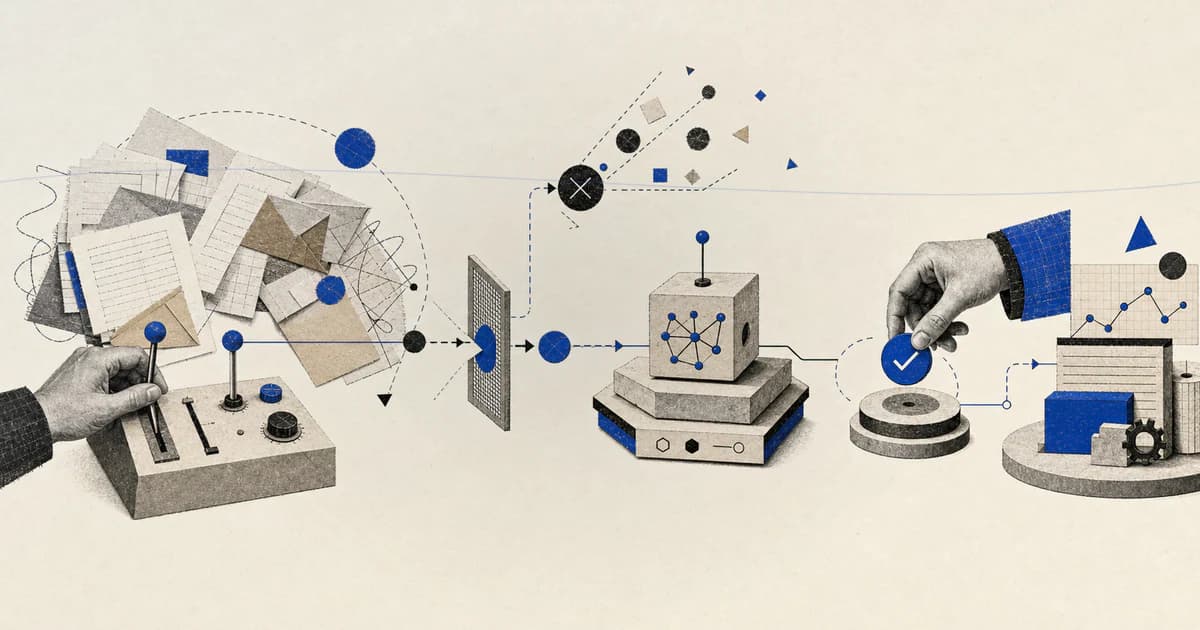
How to Calculate the ROI of an AI Agent Before You Build It
Building an AI agent without modeling the return first is just expensive experimentation. Here's the 4-variable ROI formula I use at V12 Labs, a worked example with real numbers, and the red flags that tell you an agent won't pay off.

AI Agents · Apr 14, 2026
The Founder's Guide to AI Agent Architecture: What to Build, What to Buy, and What to Skip
Most founders approach AI agent architecture backwards, they chase the shiniest framework instead of solving the right problem. Here's how to think about your AI stack before you write a single line of code.
AI Architecture · Apr 13, 2026
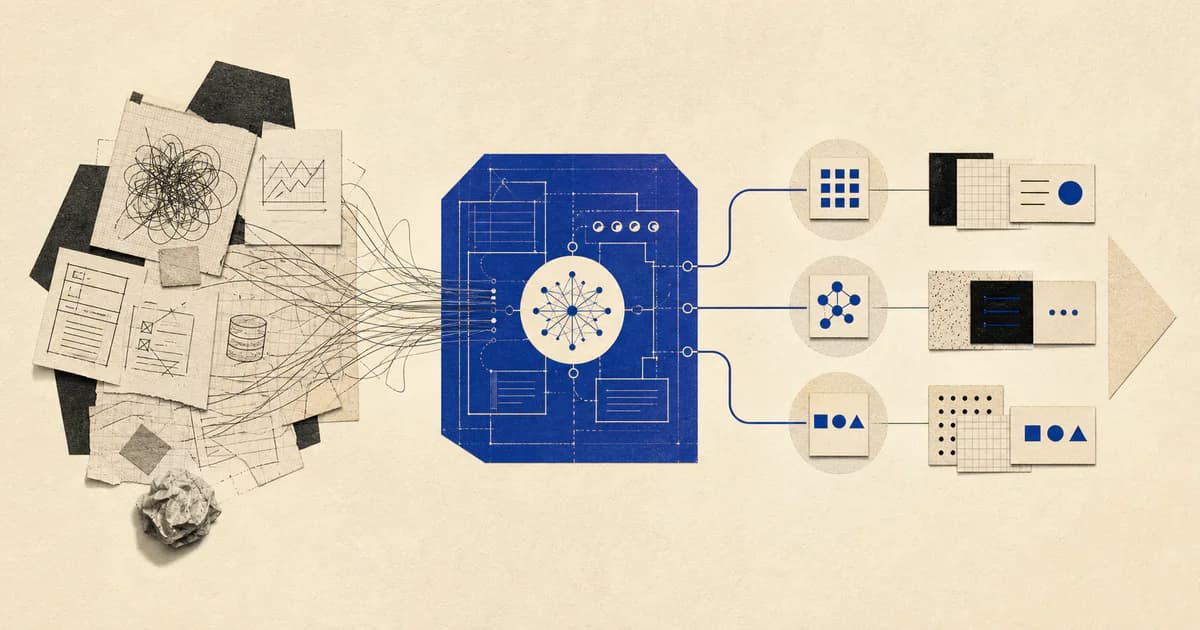
What 'AI-First Architecture' Actually Means for a Pre-Seed Startup
Most founders throw 'AI-first' into their pitch deck without knowing what it means architecturally. Here's the real definition, the three patterns that matter, and the mistakes that kill pre-seed startups before they ship.
AI Agents · Apr 13, 2026
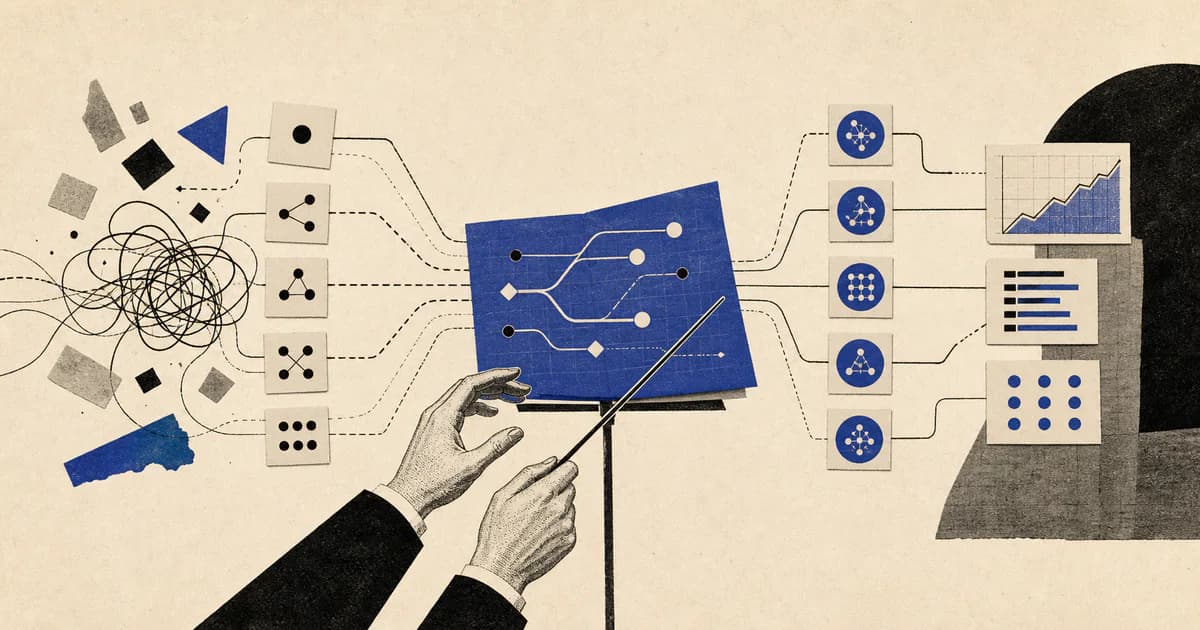
Multi-Agent Orchestration Patterns for Production: What Actually Works
After shipping dozens of AI agent systems, we've learned which orchestration patterns hold up under real production load, and which ones collapse the moment a real user touches them.
AI Automation · Apr 12, 2026
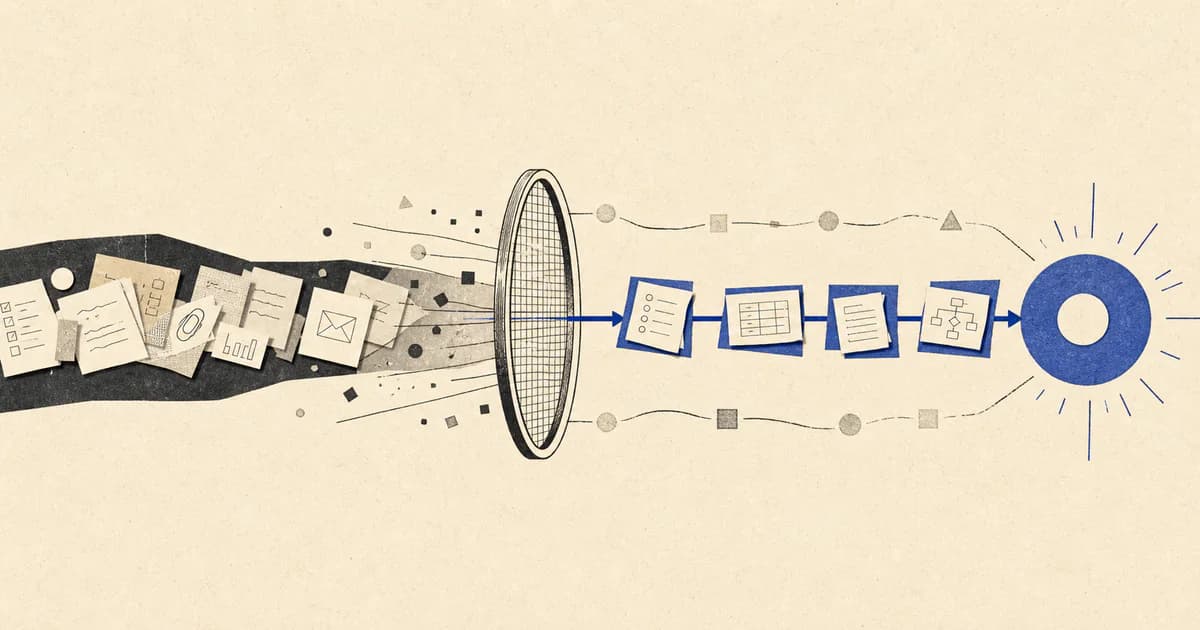
How to Identify Which Manual Workflows in Your Business Should Be Automated With AI
Not every manual workflow is worth automating. Here's the framework we use to identify which ones are, and how to prioritize the builds that will actually move the needle for your business.
ai-agents · Apr 12, 2026
Managed AI Agents in 2026: What Claude and OpenAI Actually Built
Claude's Model Context Protocol and extended thinking vs OpenAI's Agents SDK and Responses API, a practical breakdown of what both platforms now offer for building production agent systems, and what it means for founders.
ai-agents · Apr 12, 2026
Anthropic Just Released the Claude Agent SDK. Here's What It Actually Means
Anthropic shipped the Claude Agent SDK alongside Sonnet 4.5, the same infrastructure that powers Claude Code, now available to every developer. Here's what's in it, what it can do, and why it matters for founders building AI products.
ai-agents · Apr 12, 2026
Building AI Agent Teams That Actually Ship
Most AI agent setups look impressive in demos and collapse in production. Here's how V12 Labs structures multi-agent systems that reliably deliver, from architecture decisions to failure recovery.
cost optimization · Apr 11, 2026
AI Cost Optimization for Startups: How to Cut Your LLM Bill by 80% Without Sacrificing Quality
Most AI startups burn 3-5x more on LLM API costs than they need to. Here's the practical playbook for dramatically cutting your inference costs while maintaining the quality your users expect, from model routing to caching to prompt engineering.
Scope Creep · Apr 10, 2026
Scope Creep Killed Your MVP: How to Avoid the Most Expensive Mistake in Product Development
Scope creep is the single most common reason MVPs fail, go over budget, and never ship. Here's how it starts, why it's so hard to stop, and the system we use to prevent it across every build.

OpenAI · Apr 9, 2026
How to Integrate OpenAI and LangChain Into Your MVP (A Practical Guide for Founders)
OpenAI and LangChain are the backbone of most AI MVPs. But choosing wrong between them, or using them incorrectly, wastes weeks. Here's the practical guide for what to use when, with real code patterns.
AI Agents · Apr 9, 2026
From Lab to Real: Scaling Your AI MVP to Production Without Crashing
Your AI MVP works in a demo. Production is different. Here's how to scale without latency nightmares, cost explosions, or your AI agent hallucinating on live users.

MVP Development · Apr 9, 2026
The Non-Technical Founder's Guide to Building an MVP Without Breaking the Bank
Building a Minimum Viable Product doesn't require a computer science degree. Learn how non-technical founders can launch faster, validate assumptions, and raise capital with a lean MVP strategy.
AI agents · Apr 9, 2026
Building Autonomous AI Agents: From Theory to Production
A comprehensive guide to designing, implementing, and deploying autonomous AI agents in production systems. Learn the architecture patterns, challenges, and best practices that separate prototype agents from reliable production systems.

MVP · Apr 8, 2026
The MVP Development Playbook: Ship Fast Without Shipping Broken
Building an MVP is about ruthless prioritization. Here's the exact framework we use to ship in weeks, not months, and actually have users want to use it.
Next.js · Apr 7, 2026
Why We Use Next.js + Supabase for Almost Every MVP We Build
After 40+ AI builds, we've converged on a core stack that ships fast and scales when it needs to. Here's exactly why we choose Next.js and Supabase, when we deviate, and what we've learned building on this stack across dozens of products.
Build vs Buy · Apr 5, 2026
Build vs Buy: When to Use Existing AI Tools vs Build Custom (The Honest Framework)
Every founder asks: should I build this AI capability or integrate an existing tool? The answer determines whether you spend $500/month or $15K on development. Here's the framework I use with every client.
MVP Spec · Apr 4, 2026
How to Write an MVP Spec That Developers Actually Use (Free Template)
A bad spec is the #1 reason MVPs fail, not the developers, not the timeline. Here's how to write one that gets you exactly what you need, with a free template you can use today.
AI Agency · Apr 2, 2026
How to Evaluate an AI Development Agency When You're Non-Technical (8 Questions That Reveal Everything)
You can't read the code. You can't review the architecture. So how do you know if an AI agency is actually good? These 8 questions separate agencies that deliver from ones that burn your runway.

AI Agents · Apr 1, 2026
AI Agent vs AI Feature: What Your Startup Actually Needs in 2026
Every startup wants to 'add AI.' But there's a massive difference between an AI feature and an AI agent. Getting this wrong costs you 3 months and $30K. Here's the framework to decide which one to build.

SMB · Mar 13, 2026
The Businesses Nobody Writes Software For. And Why That's Starting to Change
Most software is built for startups. But the businesses running $5M/year on 2008-era tools are where the real modernization opportunity is, and they know it.
MVP · Dec 14, 2025
How Much Does an MVP Cost? A Non-Technical Founder's Breakdown
Real MVP cost ranges for non-technical founders, from lean fixed-price builds to $150K agency projects, with region, team type, scope, and hidden-cost breakdowns.
MVP · Dec 14, 2025
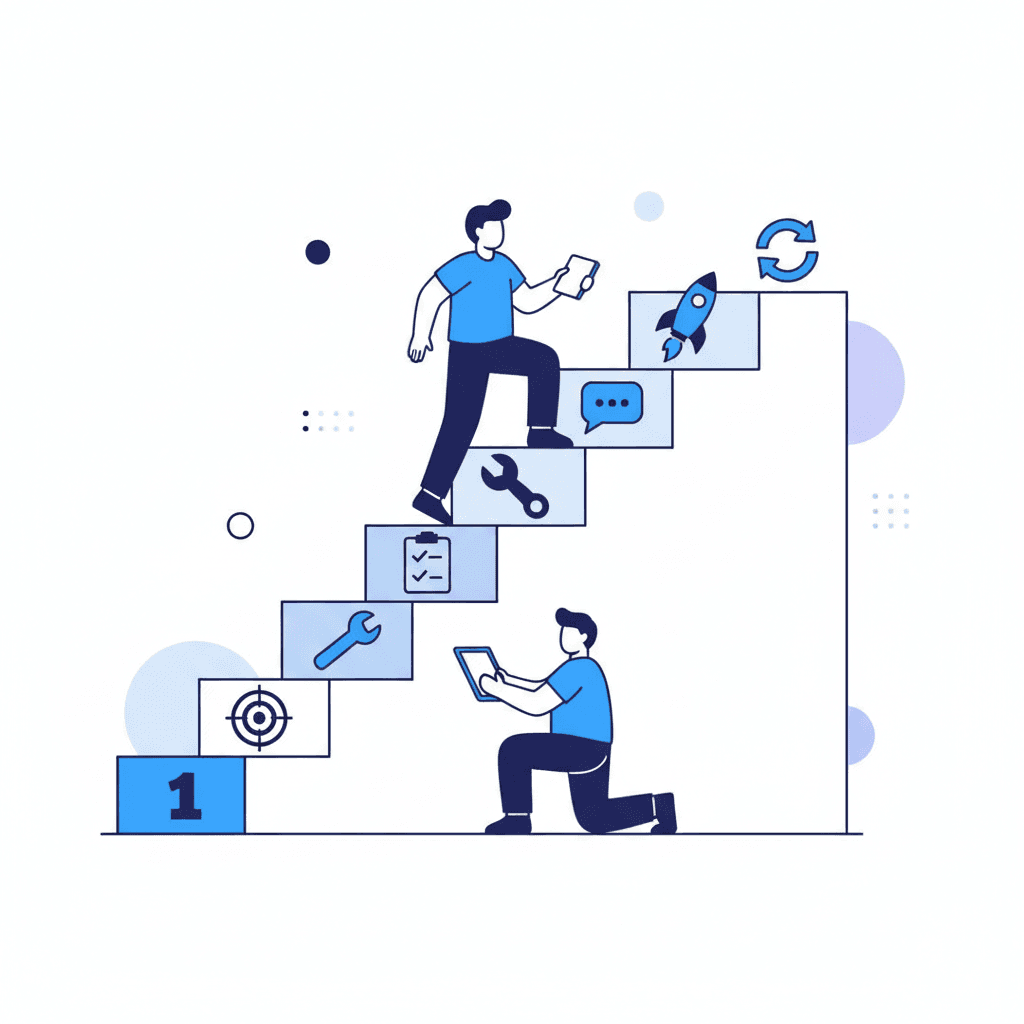
How to Build an MVP Without Technical Knowledge: Step-by-Step Guide
A practical MVP guide for non-technical founders: define the test, choose the team, write the spec, launch to early users, and avoid expensive mistakes.
Fractional CTO · Dec 14, 2025
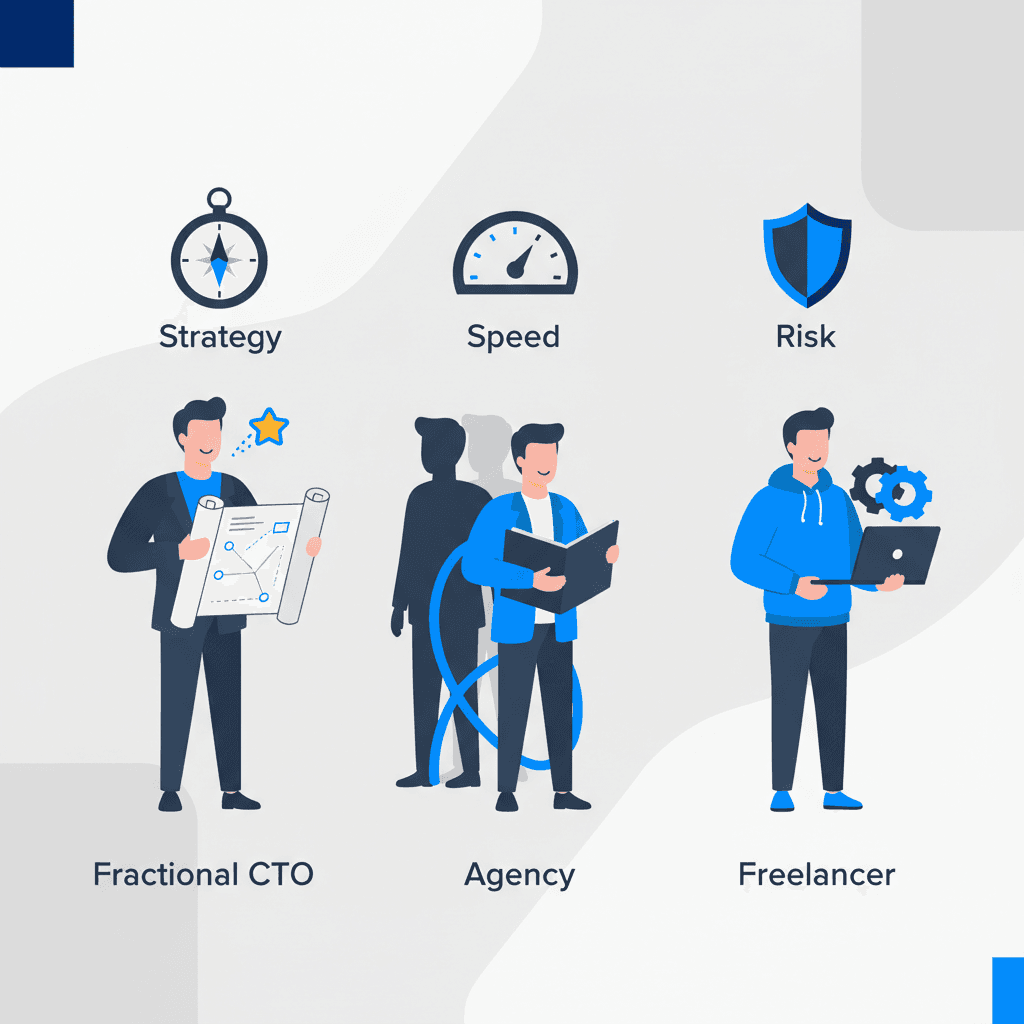
Fractional CTO vs Agency vs Freelancer: The Honest Comparison (2026)
Fractional CTO vs Agency vs Freelancer: Complete comparison for non-technical founders. Costs, pros, cons, when to use each, and how to avoid getting ripped off.

MVP · Mar 10, 2025
The Hidden Cost of Slow MVP Development: Why Speed Matters More Than Perfection
Every week your MVP takes is money your runway doesn't make back. Here's the math founders ignore, and how to fix it.
AI · Mar 9, 2025
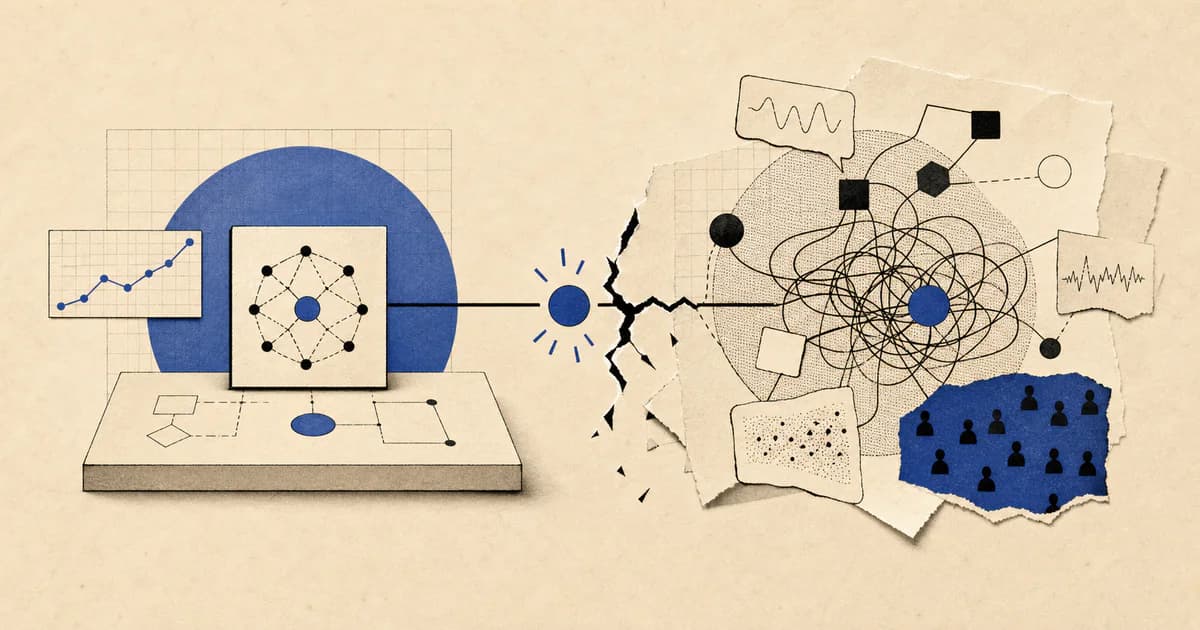
Why Your AI Agent Failed in Production (And How to Fix It Before Launch)
Your AI agent works perfectly in dev. Then you launch it to real users and it breaks. Here's what you missed, and how to prevent it.