The 3 Things V12 Labs Does Differently
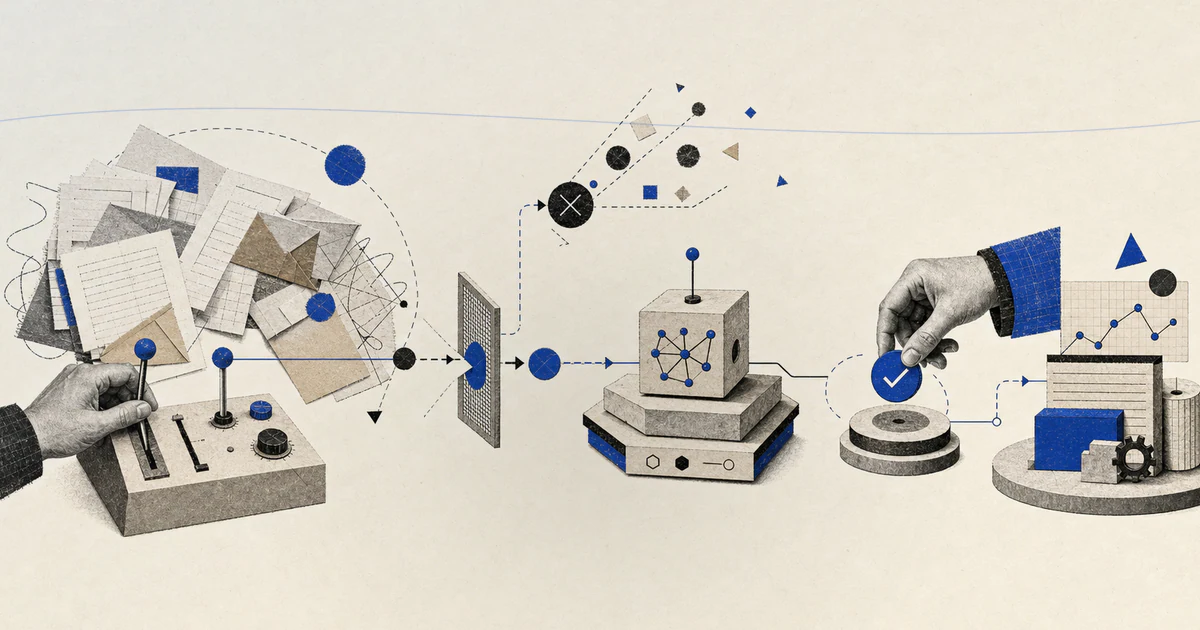
When we build AI systems at V12 Labs, there are three production-readiness practices we include by default, not as add-ons, but as standard parts of the build.
1. Rate limiting + cost controls from Day 1
Every API endpoint that triggers LLM calls gets rate limiting. Per user, per minute, per day. We also set up cost monitoring with billing alerts before the product launches. You shouldn't discover a cost problem after it's happened, you should get an alert when you're approaching your budget.
2. Fallback logic for model failures
AI APIs go down. Models return errors. Rate limits get hit. Our production builds include fallback logic: if the primary model call fails, retry with exponential backoff; if it fails again, route to a backup model; if that fails, degrade gracefully with a clear user message rather than a silent error. Graceful degradation is the difference between a frustrating experience and a catastrophic one.
3. Eval pipelines as a deployment gate
Before any code change goes to production, our eval suite runs against a set of known input-output pairs. We don't deploy if accuracy on the eval set drops below a threshold. This catches prompt regressions, model behavior changes, and integration breaks before users see them.
These three things don't add significant time to the build. They add maybe 20% more effort. But they're the difference between an AI product that survives its first 90 days in production and one that quietly implodes.